Israeli Leader Calls for Wider Iran Dialogue as Trump Notes Tehran's Deal Desire
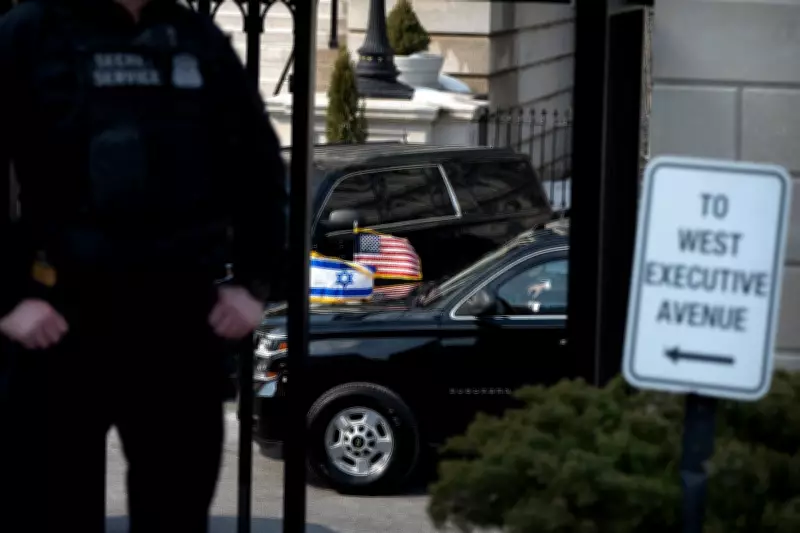
Israeli Prime Minister Benjamin Netanyahu is actively advocating for an expansion of diplomatic talks concerning Iran's nuclear program. This push comes during a critical White House meeting in Washington, where Netanyahu arrived on Wednesday, February 11, 2026. The discussions are set against a backdrop of heightened regional tensions and evolving international diplomacy.
Netanyahu's Diplomatic Push at the White House
Netanyahu's visit to the White House underscores Israel's persistent concerns over Iran's nuclear ambitions. The Prime Minister is urging the United States and other global powers to broaden the scope of negotiations with Tehran. He emphasizes the need for a comprehensive approach that addresses not only nuclear issues but also Iran's regional activities and missile development. This stance reflects Israel's long-standing security priorities and its desire for a more robust international response.
During the meeting, Netanyahu highlighted the importance of maintaining pressure on Iran through sanctions and diplomatic isolation. He argued that expanded talks could lead to a more sustainable agreement, preventing future escalations. The Prime Minister's efforts are part of a broader strategy to ensure Israel's security interests are prioritized in any deal with Iran.

Trump's Comments on Tehran's Deal Interest
Simultaneously, former President Donald Trump has publicly stated that Tehran appears interested in reaching a nuclear deal. Trump, who previously withdrew the United States from the Joint Comprehensive Plan of Action (JCPOA) in 2018, suggested that Iran's leadership might be seeking a renewed agreement. His remarks add a layer of complexity to the current diplomatic landscape, as they come from a figure who has significantly influenced U.S.-Iran relations.
Trump's comments indicate a potential shift in perception, acknowledging Tehran's willingness to engage in negotiations. However, he also reiterated his criticism of past deals, calling for stronger terms that address what he views as flaws in previous agreements. This perspective aligns with Netanyahu's call for expanded talks, though their approaches may differ in specifics.
Context and Implications for Middle East Diplomacy
The convergence of Netanyahu's advocacy and Trump's statements occurs amid ongoing regional instability. Iran's nuclear program remains a contentious issue, with international monitors reporting advancements in uranium enrichment. The situation is further complicated by Iran's support for proxy groups across the Middle East, which Israel and other nations view as destabilizing.
Expanding talks could involve more stakeholders, including regional allies like Saudi Arabia and the United Arab Emirates, to create a broader consensus. However, challenges persist, such as differing priorities among global powers and Iran's domestic political dynamics. The outcome of these diplomatic efforts could significantly impact regional security and global non-proliferation efforts.
As Netanyahu continues his push, the international community watches closely. The potential for a renewed deal with Iran hinges on navigating these complex negotiations, balancing security concerns with diplomatic pragmatism. The White House meeting marks a pivotal moment in this ongoing saga, setting the stage for future developments in Middle East diplomacy.