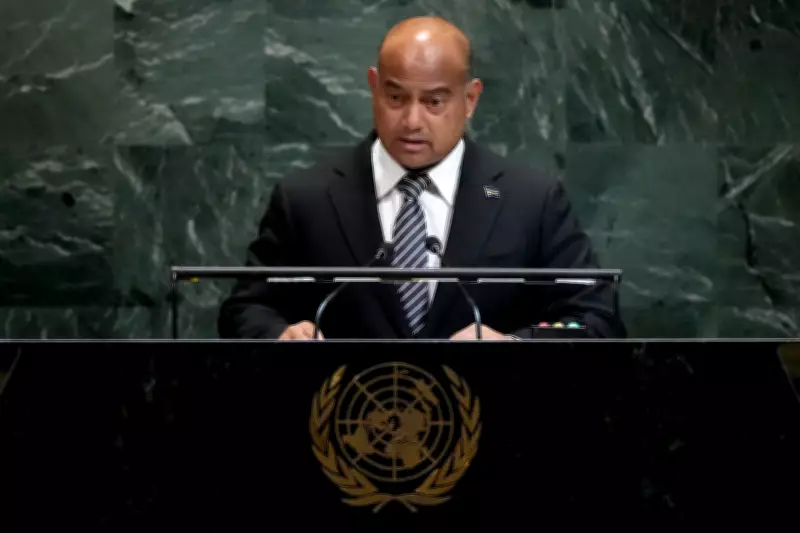
The Pacific island nation of Nauru is set to change its name in a move to break away from its colonial past, President David Ranibok Adeang announced. The decision, revealed during a United Nations General Assembly address, aims to reclaim the country's indigenous identity and distance itself from its colonial history.
A New Identity for Nauru
President Adeang stated that the name change reflects the nation's desire to honor its pre-colonial heritage and assert its sovereignty. The new name, yet to be finalized, will be chosen through a national consultation process involving Nauruan citizens. The government emphasizes that this change is not merely symbolic but a step toward cultural revival and self-determination.
Historical Context
Nauru, once known as Pleasant Island, was colonized by Germany in the late 19th century and later administered by Australia, New Zealand, and the United Kingdom after World War I. The island gained independence in 1968 but has struggled with economic challenges and environmental degradation from phosphate mining. The name change is seen as part of broader efforts to redefine national identity and promote sustainable development.

International Reactions
The announcement has garnered mixed reactions internationally. Some view it as a positive step toward decolonization, while others question the practical implications. The United Nations has expressed support for Nauru's right to self-determination. Neighboring Pacific nations have also welcomed the move, seeing it as a reaffirmation of regional identity.
Next Steps
The Nauruan government plans to hold a referendum to approve the new name, with a target date later this year. Once approved, the change will be submitted to the United Nations for official recognition. President Adeang called on citizens to embrace the change as a unifying force for the nation's future.