Mexican Leader Reiterates National Sovereignty in Face of U.S. Concerns
Mexican President Claudia Sheinbaum has once again emphasized that all operations conducted on Mexican territory are executed exclusively by Mexican forces. This statement, delivered during her daily press conference on Thursday, represents her latest effort to alleviate growing apprehensions regarding potential U.S. encroachment on Mexican sovereignty.
Controversial Arrest Sparks Diplomatic Tensions
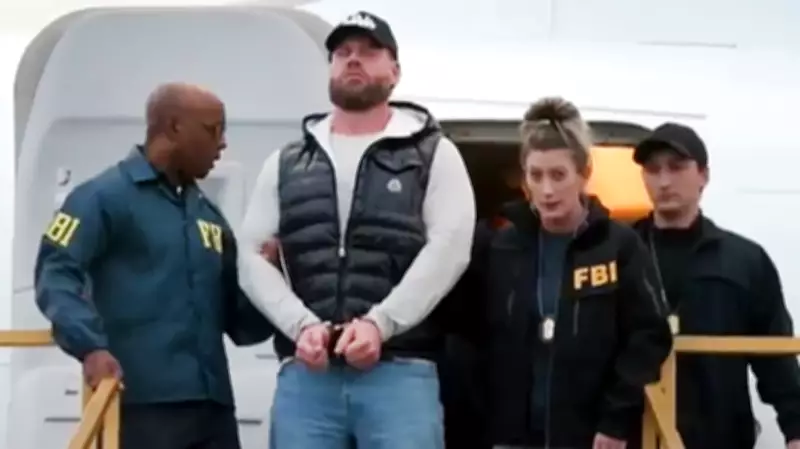
The president's comments follow intense scrutiny surrounding the case of Ryan Wedding, a former Canadian Olympic snowboarder accused of drug trafficking and involvement in the killing of a federal witness. Wedding was recently extradited to the United States to face these serious charges, but the circumstances of his apprehension have become a point of international contention.
Sheinbaum and U.S. Ambassador Ronald Johnson have maintained that Wedding voluntarily surrendered himself at the U.S. embassy in Mexico last week after being in hiding. However, this account has been directly challenged by Wedding's legal representative, who denies the voluntary surrender narrative.

Conflicting Accounts from U.S. Officials
Further complicating the situation, FBI Director Kash Patel provided a dramatically different version of events. Patel stated that the fugitive was captured during what he described as a "high-risk" joint operation conducted "hand-in-hand" and "on the ground" with Mexican security forces. This characterization directly contradicts the Mexican government's position that U.S. agencies do not participate in operational activities within Mexican borders.
President Sheinbaum acknowledged earlier this week that she lacked specific details about Wedding's arrest and expressed reluctance to engage in public disputes with Director Patel. Nevertheless, she used Thursday's press conference to address broader concerns about U.S. intervention in Mexican affairs.
Presidential Dialogue Focuses on Broader Issues
On Thursday, Sheinbaum held a telephone conversation with U.S. President Donald Trump as part of their ongoing dialogue concerning trade and security matters between the two nations. According to the Mexican leader, the arrest of Ryan Wedding did not feature in their discussion. Instead, the conversation centered on critical bilateral issues including drug trafficking patterns, border security challenges, and trade relations.
This exchange comes at a time when President Sheinbaum has been working to de-escalate mounting threats from the Trump administration regarding potential military action against Mexican drug cartels. "We will never accept joint operations by the United States ... operations on our territory are carried out by Mexican forces ... we always tell President Trump that," Sheinbaum firmly stated following the call.
Historical Context and Regional Implications
The controversy surrounding Wedding's arrest has revived longstanding anxieties about how U.S. agencies operate within Mexican territory. These concerns have been particularly amplified following the recent U.S. military operation in Venezuela that resulted in the deposition of former President Nicolás Maduro earlier this month.
Since that event, President Trump has repeatedly emphasized his administration's determination to combat drug cartels on land, representing a significant escalation from previous naval operations conducted in Caribbean and Pacific waters. This shift in strategy has raised questions about potential cross-border implications for Mexico.
Balancing Sovereignty with Cooperation
Throughout these developments, President Sheinbaum has consistently stated that she will not permit unilateral U.S. military intervention in Mexico, citing fundamental concerns about national sovereignty. At the same time, she has actively promoted enhanced bilateral cooperation between the neighboring countries on security matters.

The Mexican president revealed that during her latest conversation with President Trump, there was no specific pressure for operations within Mexican territory. However, the leaders did discuss Mexico's recent transfer of dozens of imprisoned cartel members to U.S. authorities—a move that some observers have interpreted as a strategic offering from Sheinbaum's administration to demonstrate cooperation while maintaining control over operational sovereignty.