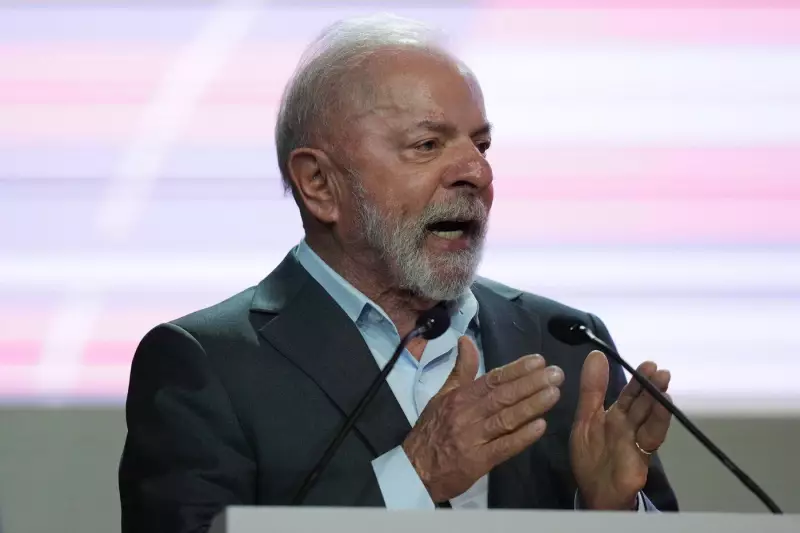
Brazilian President Luiz Inacio Lula da Silva has issued a stark warning, stating that any armed conflict in neighbouring Venezuela would result in a "humanitarian catastrophe." The statement, made public on December 20, 2025, underscores Brazil's deep concern over escalating tensions in the region.
A Firm Stance Against Military Intervention
President Lula, a veteran leftist leader known for his diplomatic approach, framed the potential for violence in Venezuela as a dire threat to regional stability. His comments reflect a clear position against foreign military intervention and a preference for dialogue and peaceful resolution to the ongoing political and economic crisis in the South American nation.
The Brazilian leader's warning comes amid persistent international pressure and speculation regarding Venezuela's future. Lula's government has consistently advocated for a negotiated settlement between the various political factions within Venezuela, fearing that external force would only exacerbate the suffering of the Venezuelan people.

The Context of Regional Leadership
Lula's statement is a significant diplomatic move, reasserting Brazil's role as a major power in South American affairs. Having recently returned to the presidency, Lula is positioning Brazil as a stabilizing force, keen to prevent a conflict that could trigger a new wave of refugees and destabilize borders across the continent.
The warning was delivered as the global community continues to grapple with the complex situation in Venezuela, which has been marked by years of severe economic hardship, political deadlock, and a massive exodus of citizens seeking better lives abroad.
Implications for Hemispheric Relations
By labelling a potential conflict a "humanitarian catastrophe," Lula elevates the discourse beyond geopolitics to focus squarely on human cost. This terminology is designed to resonate with international bodies and foreign governments that prioritize human rights and civilian protection.
Analysts suggest this stance may also signal a divergence in approach from some Western nations that have historically favoured stronger measures against the Venezuelan government. Lula's Brazil appears committed to a path of diplomacy, aiming to lead regional efforts to foster peace without the use of force.
The Brazilian president's comments are likely to shape discussions among South American allies and will be closely watched by global powers with vested interests in the region's stability.