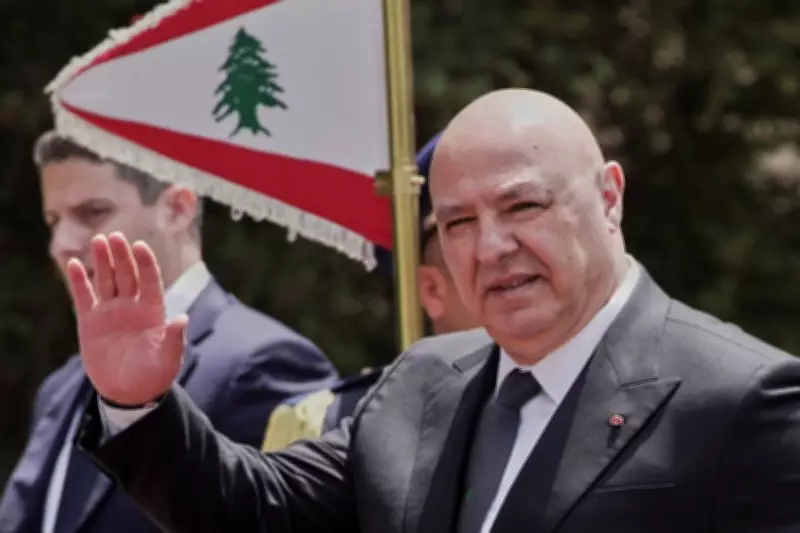
Lebanon Proposes Historic Direct Talks with Israel, But Timing Raises Doubts
In a significant diplomatic development, Lebanon has formally proposed initiating direct talks with Israel, marking the first such overture in decades. This move represents a potential breakthrough in long-strained relations between the two neighboring nations, though experts are already questioning whether the timing might be too late to yield substantial results.
A Groundbreaking Diplomatic Initiative
The proposal for direct dialogue comes from Lebanese leadership, signaling a notable shift in approach toward Israel. For years, relations have been characterized by tension, sporadic conflict, and minimal official communication. This initiative breaks that pattern by suggesting face-to-face discussions at the highest levels.
Observers note that the last comparable diplomatic engagement occurred multiple decades ago, making this proposal particularly historic. The Lebanese government appears to be testing the waters for a new chapter in bilateral relations, though the specific agenda and conditions for talks remain undisclosed.

Why Now? The Question of Timing
While the proposal itself is remarkable, many regional analysts are expressing skepticism about its timing. Several factors suggest this diplomatic opening might be arriving too late to achieve meaningful breakthroughs.
First, the broader Middle East context has evolved significantly in recent years, with normalization agreements between Israel and several Arab states changing regional dynamics. Lebanon's proposal comes after these developments rather than alongside them, potentially reducing its impact.
Second, domestic political challenges within Lebanon, including economic crisis and governmental instability, may limit the country's negotiating leverage and ability to follow through on any agreements.
Third, Israel's own political landscape has become increasingly complex, with coalition governments often struggling to maintain consensus on foreign policy matters.
Potential Implications and Challenges
Should talks proceed, several key issues would likely dominate discussions:
- Border security and maritime boundaries, particularly regarding disputed gas reserves in the Mediterranean
- Historical grievances and unresolved conflicts from previous decades
- Regional security arrangements involving other Middle Eastern actors
- Economic cooperation possibilities that could benefit both nations
However, significant obstacles remain. Public opinion in both countries may resist normalization, and hardline factions on either side could undermine diplomatic efforts. Additionally, the involvement of external powers with interests in the region adds another layer of complexity to any potential negotiations.
International Reactions and Next Steps
The international community is closely monitoring this development, with many Western nations likely to encourage dialogue while remaining cautious about immediate expectations. United Nations officials have previously advocated for improved Lebanon-Israel relations as part of broader regional stability efforts.
Israel has yet to issue a formal response to Lebanon's proposal, though initial indications suggest careful consideration rather than outright rejection. The coming weeks will reveal whether this diplomatic initiative gains traction or becomes another missed opportunity in the complex Middle East peace landscape.
Ultimately, while Lebanon's proposal represents a potentially transformative diplomatic move, the delayed timing raises legitimate questions about its practical prospects. The window for breakthrough agreements may have narrowed considerably over the past decades, requiring both nations to demonstrate unprecedented flexibility and political will if talks are to succeed where previous efforts have failed.