It is almost unprecedented for an ambassador to make statements that directly contradict the prime minister or government policy. A high-profile exception occurred in January 2019 when our ambassador to China, the late John McCallum, said “it would be great for Canada” if the U.S. dropped its extradition request for Meng Wanzhou. His forced resignation quickly followed.
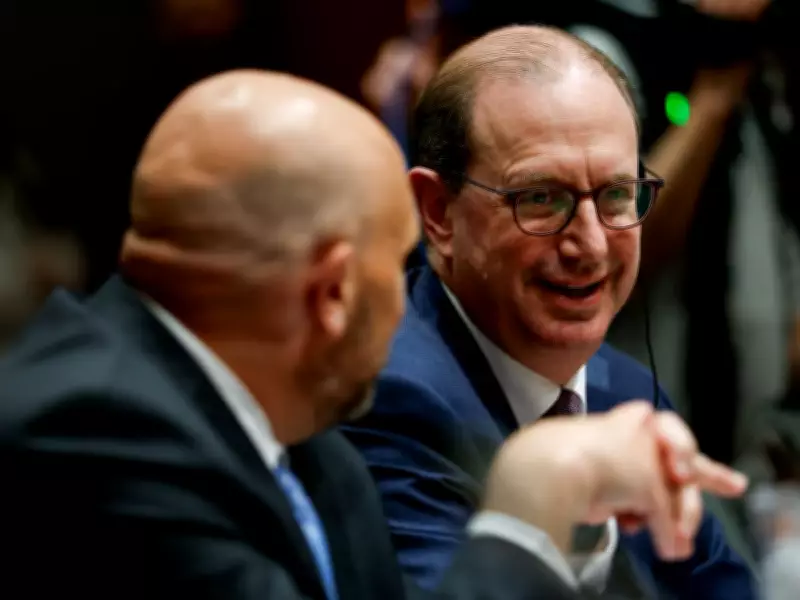
But our current ambassador to the United States, Mark Wiseman, has spoken publicly about our two countries’ strong and enduring bilateral relationship. “North American integration must continue to support shared prosperity,” he says. Also: “Our economic ties with the United States are deep and vast” and the close relationship “brings tremendous benefits to Canada.” Furthermore, Canada should “secure stable and preferential access to the entire North American market.”
That conflicts with Mark Carney’s speeches and public statements, which are much more pessimistic about the Canada-U.S. relationship. “Our close ties to America have become our weaknesses, weaknesses that we must correct.” At Davos, Carney called for middle powers to stand up to the “hegemons” and bemoaned “the performance of sovereignty while accepting subordination,” adding: “if you’re not at the table, you’re on the menu.” He also argued that the rules-based international order is experiencing a “rupture” rather than a transition.

Yet despite the obvious, even glaring contradiction between what the prime minister and the ambassador have been saying, Mr. Wiseman is still at his post and there is no talk of his having to leave. That strongly suggests he was directed to make his statements. Which raises the question: what really is our policy regarding Canada’s most important trade, security, and diplomatic ally? Is it Wiseman’s traditional close co-operation? Or is it Carney’s aggressive confrontation?
As last year’s election campaign showed, Carney’s tough anti-Americanism appeals to domestic pride and diverts attention from serious home-grown problems. And European elites admire him for sticking it to the Yanks, especially Trump, who is resented for having forced the EU to spend less on welfare and invest more in its military.
But Carney surely must understand the hard reality that for Canada a strong economic relationship with the U.S. is crucial, and an unrivalled security relationship existential. Because we are geographically inseparable our own national security means we would want to be a close and reliable defence ally even if the U.S. did not insist on it. And supply chain integration means the U.S. will always be our biggest trading partner — though we should diversify our markets even as we try to grow trade with the Americans.
The contradiction between the prime minister’s confrontational rhetoric and the ambassador’s conciliatory tone creates confusion about Canada’s actual policy direction. While Wiseman emphasizes cooperation and integration, Carney’s speeches suggest a pivot toward independence and pushback against American dominance. This divergence may be a strategic signal to different audiences, but it risks undermining credibility with our most important ally. As the relationship faces new challenges, clarity from Ottawa is essential to ensure that Canada’s interests are effectively represented and protected.