Israel Announces Reopening of Key Gaza-Egypt Border Crossing
In a significant development in the ongoing Israel-Hamas conflict, Israeli authorities have confirmed that the Rafah border crossing between the Gaza Strip and Egypt will reopen this Sunday. This decision marks the end of a closure that has lasted for nearly two years, severely restricting the movement of people and goods in and out of the Palestinian territory.
A Long-Awaited Move Amid Regional Tensions
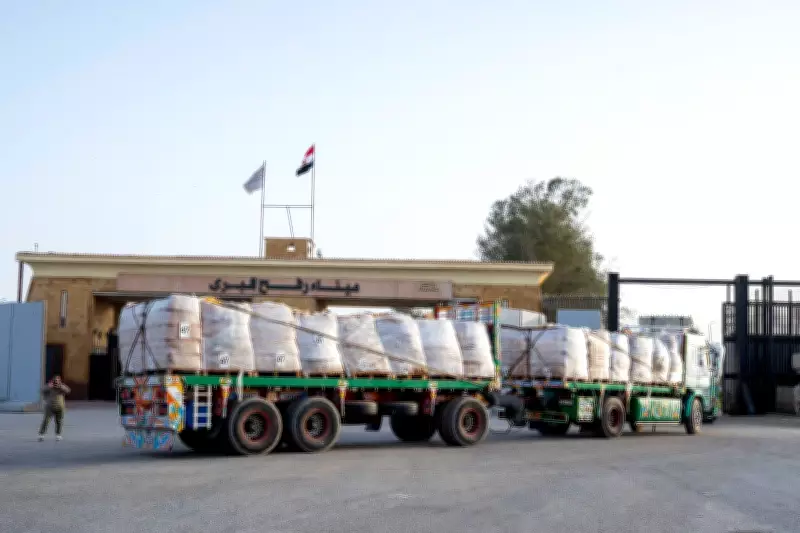
The reopening comes at a critical juncture, as the region continues to grapple with the aftermath of the war and humanitarian challenges. The Rafah crossing is Gaza's primary gateway to the outside world, not controlled by Israel, and its closure since early 2024 has exacerbated economic and social hardships for Gaza's population. Israeli officials stated that the move is part of broader efforts to ease conditions, though security protocols will remain stringent.
Inspections and security measures will be conducted by Israeli authorities on the Egyptian side of the border, as seen in recent operations where trucks undergo thorough checks before entering Gaza. This process aims to balance humanitarian access with security concerns, preventing the smuggling of weapons or materials that could threaten Israeli interests.

Implications for Gaza and International Relations
The reopening is expected to have several immediate effects:
- Humanitarian aid flow: Increased access for essential supplies, including food, medicine, and construction materials, which are urgently needed in Gaza.
- Economic relief: Potential for revived trade and travel, offering a lifeline to Gaza's battered economy.
- Diplomatic dynamics: This step may influence relations between Israel, Egypt, and Palestinian factions, though long-term peace remains elusive.
Observers note that while the reopening is a positive development, it does not signify a resolution to the underlying conflicts. The war has left deep scars, with reconstruction efforts still in early stages and political divisions persisting. The international community, including Canada, has called for sustained efforts to address humanitarian needs and promote stability in the region.
As Sunday approaches, all eyes will be on the Rafah crossing to see how smoothly the reopening proceeds and what impact it has on daily life in Gaza. This move underscores the complex interplay of security, diplomacy, and human welfare in one of the world's most volatile areas.