Israel Pilots Limited Reopening of Gaza-Egypt Border Crossing
In a significant development following months of closure, Israel has initiated a pilot program to test the limited reopening of the Rafah border crossing between the Gaza Strip and Egypt. This move marks the first time the crossing has been accessible since the Israeli Defence Forces (IDF) captured it in May 2024, with initial operations focused exclusively on pedestrian movement.
Initial Phase Focuses on Pedestrian Traffic
The Defence Ministry's Coordinator of Government Activities in the Territories (COGAT) unit announced that "the Rafah crossing has reopened for movement of people only." According to their statement, a pilot is currently underway to assess the operational capabilities of the crossing, with full movement of residents in both directions expected to commence shortly. This cautious approach reflects ongoing security considerations and the complex logistics involved in reactivating a critical border point after an extended closure.
Humanitarian Considerations and Security Protocols
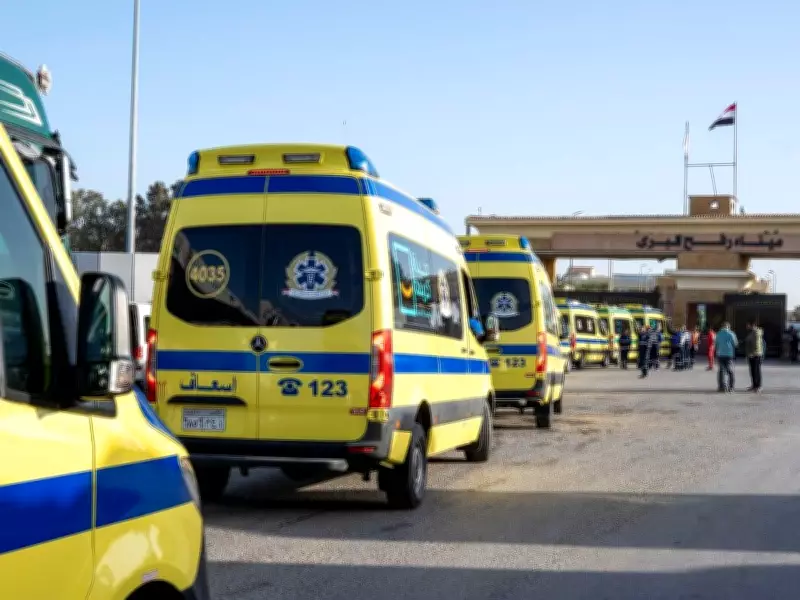
The reopening comes amid significant humanitarian preparations. Dozens of Egyptian Red Crescent ambulances entered the Gaza Strip on Sunday to facilitate the evacuation of wounded and sick Palestinians, with hospitals in northern Sinai reportedly ready to receive patients. However, Israeli security officials emphasized that while the trial opening is proceeding, it remains uncertain whether Gaza residents will be permitted to cross during this initial phase.

Vehicles carrying Palestinian officials were observed arriving on the Egyptian side in anticipation of operations commencing on the Gaza side. The process involves multiple layers of security coordination, with exit and entry through Rafah requiring Israeli security clearance and operating under the supervision of a European Union monitoring mission, similar to mechanisms used in January 2025.
Ceasefire Agreement and Historical Context
This border reopening represents a tangible outcome of the U.S.-brokered ceasefire reached in October 2025 between Israel and Hamas, concluding two years of conflict. The Prime Minister's Office announced Israel's agreement to reopen Rafah following the IDF's completion of "Operation Brave Heart," which successfully recovered the remains of Israel Police Master Sgt. Ran Gvili.
Historical context reveals that Israel had previously offered to reopen the Rafah Crossing on December 3 to allow Gaza residents to exit, but Egypt declined unless the crossing opened in both directions. The current pilot program addresses this concern by facilitating movement in both directions, albeit with strict limitations initially.
Security Screening and Return Protocols
The Israeli Defence Ministry has established comprehensive security protocols for the reopening. In addition to identification and screening conducted by European monitors at the crossing itself, an additional screening process will occur in a designated corridor operated by the Israeli defence establishment within an area under IDF control.
Regarding return permissions, the ministry clarified that only Gaza residents who left the enclave during the war will be permitted to return from Egypt, and even then, only after receiving Israeli security approval. According to COGAT data, approximately 42,000 Gaza residents departed the territory during the conflict, with most being medical patients seeking treatment abroad or dual nationals.
Humanitarian Efforts Continue
Concurrent with the border reopening pilot, humanitarian efforts in the region continue. COGAT highlighted recent activities, noting that 4,200 aid trucks entered the Gaza Strip over the past week. Additionally, nearly 100 Gazans requiring medical care, along with their escorts, left the Strip on January 26 through the Kerem Shalom Crossing to Israel before traveling onward to Jordan via the Allenby Bridge.
This limited border reopening represents a carefully managed step toward normalizing cross-border movement while maintaining security protocols and addressing humanitarian needs in a region that has experienced significant conflict and disruption.