In a significant diplomatic development, Israel and Lebanon are poised to engage in direct talks in the near future, marking their first such dialogue since the onset of the Iran war, which has increasingly entangled Lebanon in the broader conflict. According to a report by the Israeli newspaper Haaretz on Saturday, citing two informed sources, these negotiations could take place in locations such as Paris or Cyprus, with high-level involvement from U.S. and Israeli officials.
Key Figures and Objectives in the Talks
The discussions are expected to feature Jared Kushner, son-in-law of U.S. President Donald Trump, playing a role in the mediation efforts. Leading the Israeli delegation will be Ron Dermer, a close confidant of Israeli Prime Minister Benjamin Netanyahu, underscoring the importance of these talks for regional stability. The primary focus of the negotiations will be on ending the ongoing hostilities in Lebanon and addressing the disarmament of the Lebanese armed group Hezbollah, as detailed by Haaretz.
Background of the Conflict and Recent Escalations
The urgency for these talks stems from recent escalations that have exacerbated tensions in the region. Hezbollah initiated attacks on Israel on March 2, citing retaliation for the killing of Iran's supreme leader at the beginning of the U.S.-Israeli war on Iran. In response, Israel has conducted an extensive bombing campaign targeting Hezbollah, resulting in significant casualties and displacement.

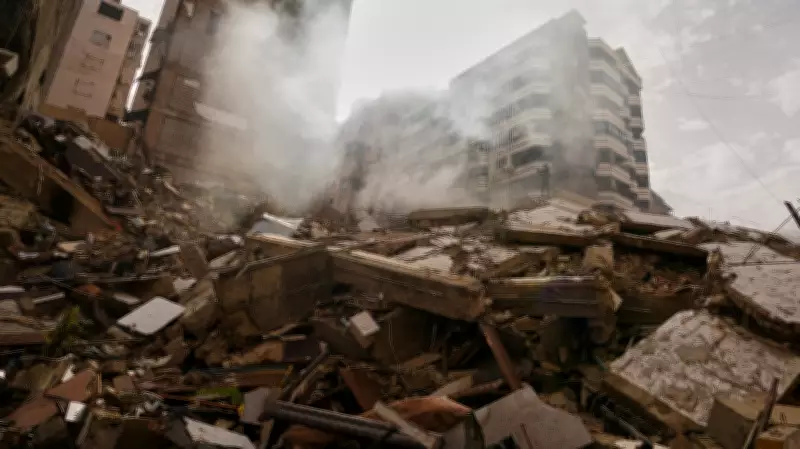
This military action has led to the deaths of over 770 people and forced hundreds of thousands to flee their homes, while Hezbollah has retaliated by launching hundreds of rockets across the border, further destabilizing the area. The humanitarian impact is stark, with scenes of destruction, such as a man standing atop rubble in Beirut's southern suburbs, highlighting the dire consequences of the conflict.
Implications for Regional Diplomacy and Future Prospects
The upcoming talks represent a critical step toward de-escalation, as both nations seek to navigate the complex dynamics of the Iran war and its spillover effects. By engaging in direct dialogue, Israel and Lebanon aim to forge a path toward peace, potentially reducing violence and addressing security concerns related to Hezbollah's military capabilities. The involvement of international figures like Kushner suggests a concerted effort to leverage diplomatic channels to resolve longstanding issues.
As these negotiations unfold, observers will be closely monitoring the outcomes, which could have far-reaching implications for Middle Eastern politics and global security. The success of these talks may hinge on the willingness of all parties to compromise and address the root causes of the conflict, including the broader geopolitical tensions involving Iran and the United States.