The Israeli government has taken a significant and controversial step, approving the establishment of 19 new Jewish settlements in the occupied West Bank. The decision, confirmed on December 21, 2025, is poised to have major implications for the already strained Israeli-Palestinian conflict and international diplomacy in the region.
Details of the Settlement Expansion
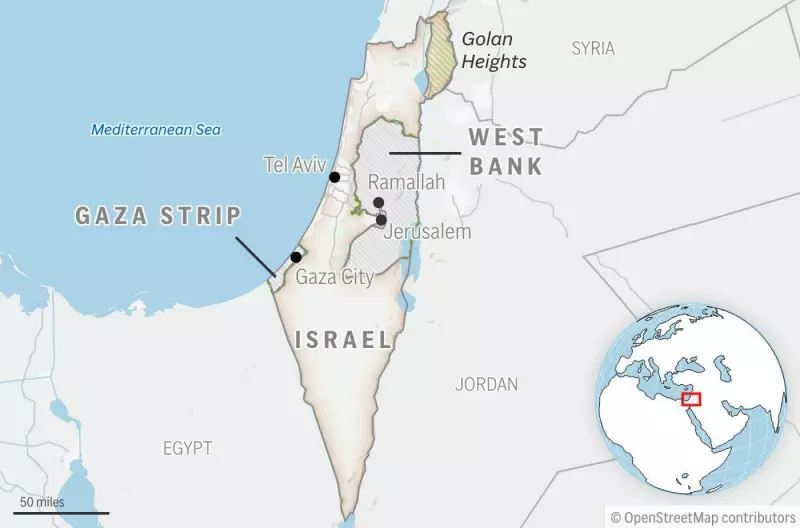
The approval was granted by the Israeli Cabinet, the country's primary decision-making body. The move authorizes the construction of new communities for Jewish Israelis across the West Bank, a territory captured by Israel in the 1967 war and sought by Palestinians for a future independent state. The specific locations and timeline for the construction of these 19 settlements were not immediately detailed in the initial announcement.
This decision represents one of the largest single expansions of settlement activity in recent years. Settlement growth in the West Bank is considered illegal under international law by most of the world community, a stance Israel disputes. The Palestinian Authority and numerous countries view such expansions as a major obstacle to a potential two-state solution to the decades-long conflict.

Context and Potential Consequences
The announcement comes amid ongoing regional turmoil following the Israel-Hamas war. The approval of new settlements is likely to draw swift condemnation from Palestinian leaders, Arab nations, and many in the international community, including traditional allies who have urged restraint on settlement activity.
Analysts suggest this move could further destabilize the West Bank, where the Palestinian Authority exercises limited self-rule. It may also complicate broader diplomatic efforts aimed at de-escalation and long-term peace planning in the region. The timing of the decision, just before the end of 2025, marks a firm political stance by the current Israeli government.
Reactions from global capitals are anticipated in the coming days, with potential statements from the United Nations, the European Union, and the United States. The development underscores the deep-seated and unresolved territorial issues at the heart of the Israeli-Palestinian conflict, with direct actions on the ground continuing to shape the political landscape.