Iraq Enters Period of Political Uncertainty
Iraq is confronting a significant period of political instability as various internal factions intensify their competition for power and influence. This comes in the wake of the United Nations concluding its political mission in the country, leaving a complex vacuum that local groups are now striving to fill.
The End of an Era and a Power Vacuum
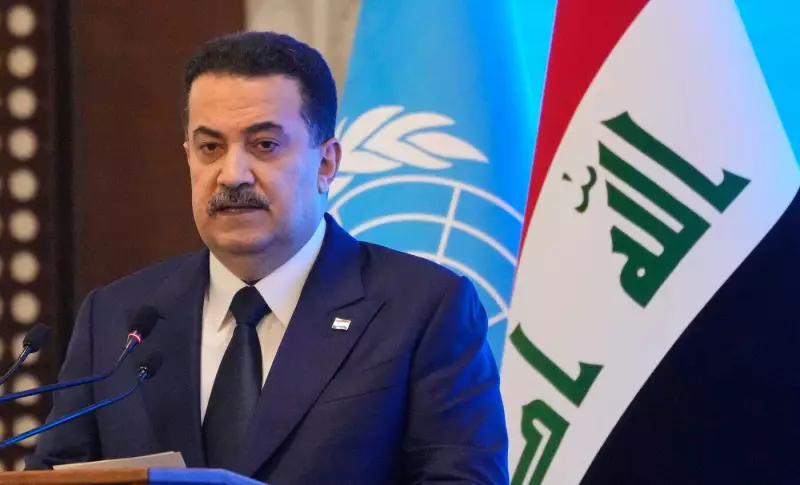
The formal closure of the UN political mission in Baghdad on Saturday, December 13, 2025, marked a symbolic transition for Iraq. Prime Minister Mohammed Shia al-Sudani presided over the event, but the departure of the international body has removed a key mediating force from the country's turbulent political landscape.
With the UN's structured oversight gone, long-standing rivalries among Shia, Sunni, and Kurdish political blocs, as well as powerful militia groups, have resurfaced with renewed intensity. Analysts suggest that the struggle is not just about immediate control but about shaping the nation's long-term governance structure and its alliances within the region.

Challenges for Prime Minister al-Sudani
Prime Minister al-Sudani now faces the formidable task of navigating this factional strife without the buffer previously provided by the UN mission. His government must balance the demands of powerful groups backed by Iran with those seeking closer ties to Arab states and the West, all while addressing severe domestic issues like economic recovery and public service delivery.
The political maneuvering is expected to delay critical legislation and reforms, potentially stalling progress on oil revenue sharing, constitutional amendments, and preparations for future elections. The situation creates a delicate and potentially volatile environment where political deadlock could escalate into broader instability.
Observers are closely watching whether Iraqi institutions are robust enough to manage this competition peacefully or if the nation risks sliding back into the sectarian conflicts that have plagued its recent past. The coming months are seen as a crucial test for Iraq's fragile democracy and for al-Sudani's leadership in holding the fractious coalition together.