Unlikely Alliances: Iranian Protesters See Israel as Partner in Liberation
In a remarkable geopolitical shift, Iranian protesters are forming unexpected alliances with Israel and Jewish communities worldwide, fundamentally challenging Western narratives about Middle Eastern conflicts. This development represents a significant moment where freedom advances through partnerships that defy traditional political and cultural divides.
Challenging Western Stereotypes
Western media coverage has long portrayed Iran through simplistic dichotomies: tyrant versus dissident, East versus West, Islam versus Israel. This convenient but lazy framing fails to capture the complex reality unfolding across global Iranian communities. The truth is far more nuanced and revolutionary than these cartoonish representations suggest.
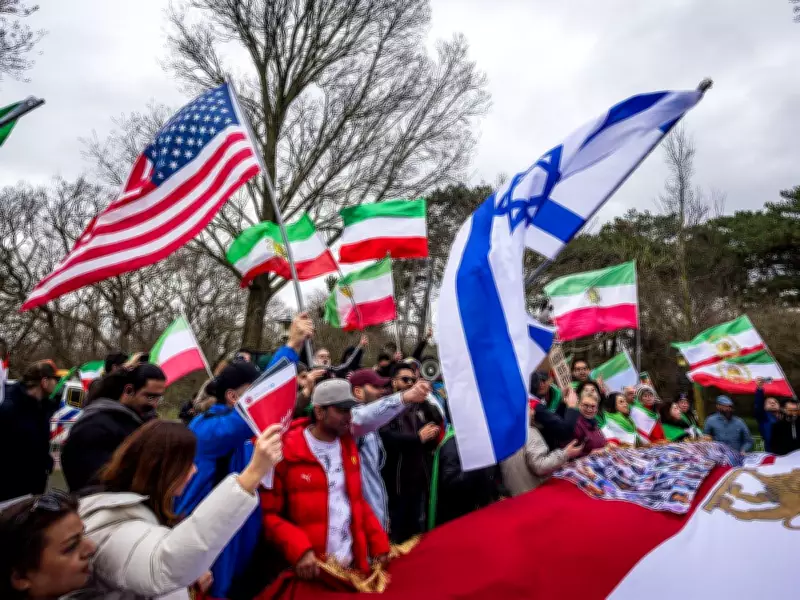
From Tehran to Toronto, Munich to Sydney, Iranian flags now fly alongside Israeli flags at protest gatherings. Since October 2023, Iranian dissidents have consistently joined pro-Jewish anti-Hamas rallies, while Jewish communities worldwide stand in solidarity with Iranians chanting "zan, zendegi, azadi"—the powerful Persian phrase meaning "woman, life, freedom."

Rejecting Manufactured Hostility
Millions of Iranian Muslims, both within Iran's borders and throughout the global diaspora, are actively rejecting decades of anti-Israel propaganda. They recognize this hostility wasn't natural but manufactured—a deliberate tool used by the clerical regime to justify domestic repression and maintain political control.
This movement shatters the long-standing Western myth that Muslims are instinctively hostile to Israel. Iranian protesters are speaking for themselves, crossing historical, cultural, and political divides that Western commentators have ignored for far too long. Their voices represent a genuine grassroots movement rather than orchestrated political theater.
The High Stakes of Protest
These protesters understand the immense risks they face. They confront bullets, mass arrests, systematic intimidation, and years of economic sanctions. The Iranian regime has survived decades of international moral outrage and financial boycotts, demonstrating remarkable resilience against external pressure.
For meaningful change to occur, protesters recognize they need additional external leverage—not military occupation or political dominance, but strategic support that empowers liberation movements and amplifies the courage of those risking everything for freedom.
Historical Parallels and Strategic Alliances
Israeli Prime Minister Benjamin Netanyahu has invoked historical parallels to Cyrus the Great, the ancient Persian king who freed Jews from Babylonian captivity and permitted them to rebuild the Temple in Jerusalem. Netanyahu suggests Israel is now returning this historical favor through what he calls the Cyrus Accords—supporting Iranian liberation without conquest, aiming instead to dismantle tyranny.
While provocative, this strategy represents a calculated geopolitical move. Critics rightly warn about risks of civilian harm and regional instability, pointing to recent history in Iraq, Libya, and Afghanistan as cautionary examples. However, Iranian protesters argue that their situation differs fundamentally because Iran possesses a sizable educated population already clamoring for liberation and willing to risk their lives for democratic change.
A Clash of Wills, Not Civilizations
The alignment between Iranian protesters and Jewish communities worldwide represents not a clash of civilizations but a clash of wills against oppressive regimes. Millions of Iranians are rejecting anti-Israel rhetoric and viewing Israel, Jewish communities, and Western allies as necessary partners in dismantling tyranny.
At every major rally, Israeli and pre-regime Iranian flags commingle symbolically, just as they did in global demonstrations after October 2023. This visual representation underscores the protesters' understanding that they share a common enemy in oppressive regimes that threaten both Iranian and Israeli aspirations for security and freedom.

Western policymakers can no longer ignore this emerging reality. The traditional frameworks for understanding Middle Eastern politics require substantial revision to account for these unexpected alliances that challenge decades of geopolitical assumptions.