Iran and U.S. Escalate Naval Tensions as Nuclear Negotiations Remain Stalled
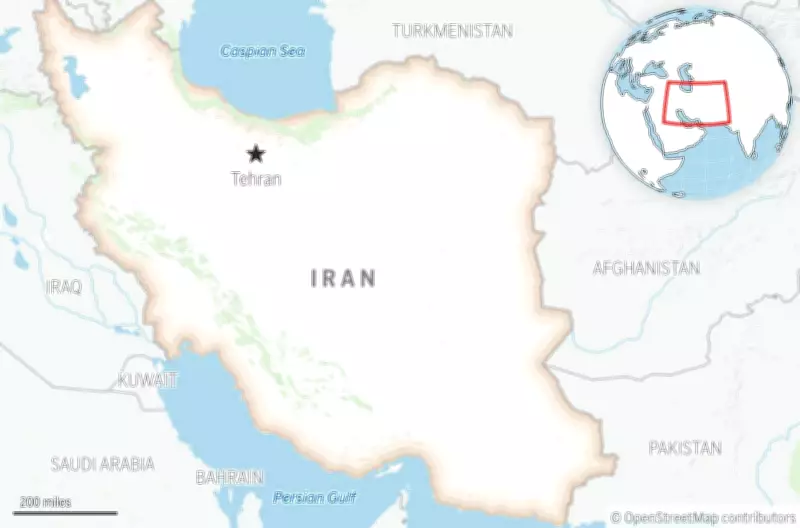
In a significant escalation of regional tensions, both Iran and the United States have intensified naval maneuvers in the Persian Gulf, engaging in what analysts describe as classic gunboat diplomacy. This military posturing comes at a critical juncture, with long-stalled nuclear negotiations between Tehran and world powers hanging precariously in the balance. The situation underscores the fragile state of international diplomacy and the potential for miscalculation in one of the world's most strategically vital waterways.
Naval Standoff Intensifies Amid Diplomatic Deadlock
The United States Navy has reportedly increased patrols and conducted exercises with allied forces in the region, while Iran's Islamic Revolutionary Guard Corps (IRGC) has showcased its naval capabilities through drills involving fast-attack boats and missile systems. This reciprocal show of force highlights the deep-seated mistrust between the two nations, which has only grown since the collapse of the 2015 nuclear accord. Observers note that these maneuvers are not merely routine; they are calculated displays meant to signal resolve and deterrence as diplomatic channels remain largely frozen.
The timing is particularly precarious, with indirect talks between Iran and the U.S. having made little substantive progress in recent months. Key sticking points, including the scope of sanctions relief and Tehran's nuclear enrichment levels, continue to block a path forward. The naval escalations risk further complicating these already delicate negotiations, potentially pushing the parties further apart rather than fostering compromise.

Broader Implications for Regional and Global Security
This latest episode of gunboat diplomacy carries profound implications beyond the immediate bilateral friction. The Persian Gulf is a crucial artery for global oil shipments, and any sustained military confrontation could disrupt energy markets and trigger broader economic instability. Moreover, regional allies on both sides are closely monitoring the situation, with the potential for proxy conflicts or unintended clashes increasing as tensions mount.
International stakeholders, including European powers and Russia, have expressed concern over the deteriorating climate, urging restraint and a return to focused dialogue. However, with domestic political pressures in both Washington and Tehran influencing strategic decisions, the window for diplomatic breakthrough appears to be narrowing. The absence of a functional communication channel between the naval forces of the two countries adds an element of unpredictability, raising the stakes for any encounter at sea.
Prospects for Nuclear Diplomacy in a Tense Climate
Despite the ominous military posturing, some analysts suggest that the heightened tensions could, paradoxically, create renewed urgency for diplomatic engagement. The risks of escalation are clear, and neither side likely desires a full-blown conflict. However, the current trajectory suggests that without a significant de-escalation or a diplomatic initiative, the nuclear talks may remain in indefinite suspension, leaving the region in a prolonged state of uncertainty.
The international community continues to watch closely, hoping that cooler heads will prevail and that the parties can find a way back to the negotiating table. For now, however, the specter of gunboat diplomacy looms large, casting a shadow over efforts to secure a peaceful resolution to one of the most enduring geopolitical challenges of our time.