In a notable diplomatic development, the foreign ministers of Iran and the United Kingdom have engaged in direct, high-level communication. This rare contact between the two nations, which have experienced strained relations for years, signals a potential opening for dialogue amidst ongoing international tensions.
A Significant Diplomatic Gesture
The conversation represents one of the few direct exchanges at this level in recent memory. While the precise agenda of the talks remains confidential, such high-level contact is typically reserved for discussing matters of critical bilateral or regional importance. The dialogue underscores the complex geopolitical landscape where even nations with profound differences find channels for communication essential.
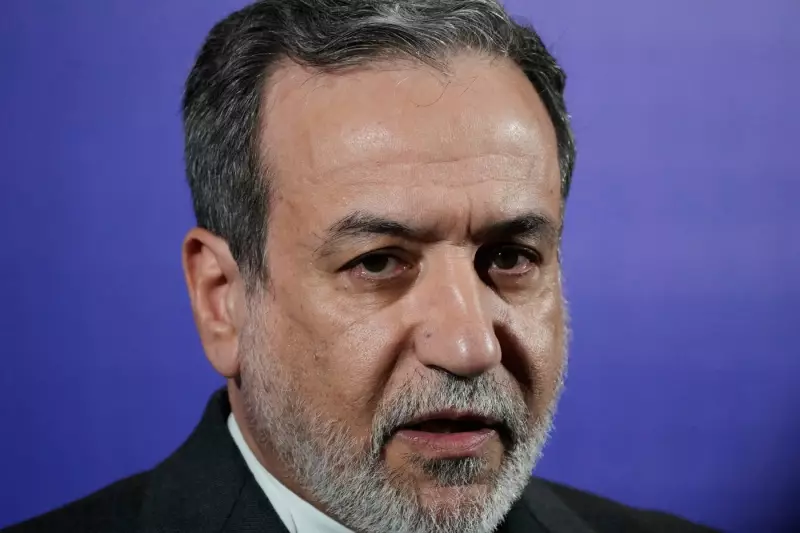
The Iranian side was represented by Foreign Minister Abbas Araghchi. Araghchi, a seasoned diplomat, recently participated in a high-profile conference in Tehran titled "International Law Under Assault: Aggression and Self-Defense" in November 2025. His involvement in these direct talks suggests Iran's continued engagement on the international stage, despite facing significant pressure and sanctions from Western nations.

Context of Strained Relations
Relations between the United Kingdom and Iran have been fraught for decades, marked by incidents ranging from the 2011 storming of the British embassy in Tehran to ongoing disputes over Iran's nuclear program and regional activities. Direct ministerial contact is therefore a carefully calibrated move, often indicating a mutual, albeit cautious, desire to manage conflicts or explore specific issues.
This development occurs against a backdrop of global uncertainty, where traditional alliances are being tested and new diplomatic avenues are being explored. For the U.K., navigating its post-Brexit foreign policy, engagement with Middle Eastern powers like Iran remains a delicate but necessary component of its international strategy.
Potential Implications and Future Outlook
While a single conversation does not signify a thaw in relations, it establishes a direct line of communication that can be crucial for crisis management and preventing miscalculations. Analysts will be watching closely to see if this contact leads to more substantive talks, perhaps concerning regional security in the Middle East, the status of the nuclear deal (JCPOA), or other pressing international concerns.
The timing of the contact, reported on December 20, 2025, adds another layer of significance as it comes at the year's end, a period often used for diplomatic reassessment and setting the stage for the year ahead. Whether this dialogue leads to a sustained diplomatic process or remains an isolated incident will depend on the political will in both London and Tehran.
For Canada and its allies, this development is a reminder of the fluid nature of international diplomacy. As a member of the G7 and a country with vested interests in global stability, Canada monitors such interactions closely, as they can influence broader international security and economic dynamics.