Iran Initiates Nuclear Dialogue with United States Amid Escalating Military Posturing
In a significant diplomatic development, Iranian President Masoud Pezeshkian has formally ordered the commencement of nuclear negotiations with the United States, according to reports from local media sources on Monday. This directive comes amidst heightened regional tensions and explicit military threats from U.S. leadership, creating a complex backdrop for potential diplomatic engagement.
Timeline and Framework for Negotiations
The Iranian government confirmed on Monday that it is actively developing both a methodological approach and structural framework for these crucial talks, with completion expected within the coming days. Foreign ministry spokesman Esmaeil Baqaei elaborated that "several points have been addressed and we are examining and finalizing the details of each stage in the diplomatic process." While Baqaei refrained from disclosing specific negotiation content, he emphasized Iran's commitment to concluding this preparatory phase promptly.
According to the Fars news agency, which cited an unnamed government source, "President Pezeshkian has ordered the opening of talks with the United States" specifically concerning nuclear matters. This report gained additional credibility through simultaneous publication in both the government newspaper Iran and the reformist daily Shargh, though neither outlet specified an exact date for when negotiations might commence.

Military Context and Diplomatic Channels
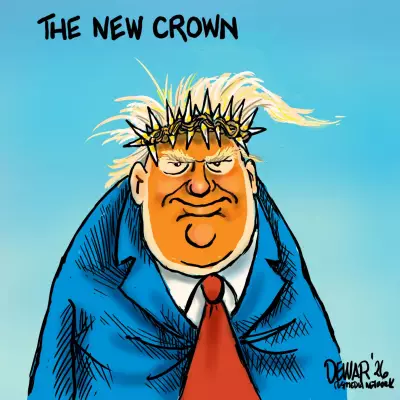
The decision to pursue talks unfolds against a backdrop of escalating military rhetoric and positioning. Following Iran's forceful response to anti-government protests that peaked last month, U.S. leader Donald Trump has threatened military action and deployed an aircraft carrier group to the Middle East region. Despite this pressure, Trump has simultaneously expressed optimism about reaching a diplomatic agreement, creating a paradoxical situation where military threats coexist with negotiation overtures.
Communication between Tehran and Washington appears to be flowing through regional intermediaries, with Iranian Foreign Minister Abbas Araghchi recently engaging in diplomatic discussions with counterparts from Turkey, Egypt, and Saudi Arabia. Araghchi reinforced Iran's negotiating position during a CNN interview, stating "President Trump said no nuclear weapons, and we fully agree. That could be a very good deal. Of course, in return, we expect sanctions lifting."
Regional Concerns and Iranian Stance
Regional players have demonstrated increasing anxiety about potential conflict escalation, actively promoting diplomatic solutions to defuse tensions. Baqaei suggested that neighboring states' rallying around diplomacy reflects "a fear any U.S. attack would drag the region into conflict," echoing warnings from Iranian Supreme Leader Ayatollah Ali Khamenei, who cautioned that American military action would inevitably trigger a broader regional war.
Iran maintains a firm position against what it perceives as ultimatums, with Baqaei explicitly stating that Tehran "never accepts ultimatums" and could not confirm receiving any such messages from Washington. This stance emerges despite Trump's public warning that "time is running out" for Iran to reach an agreement regarding its nuclear program, which Western nations suspect aims to develop atomic weapons capability.
Domestic Context and International Perceptions
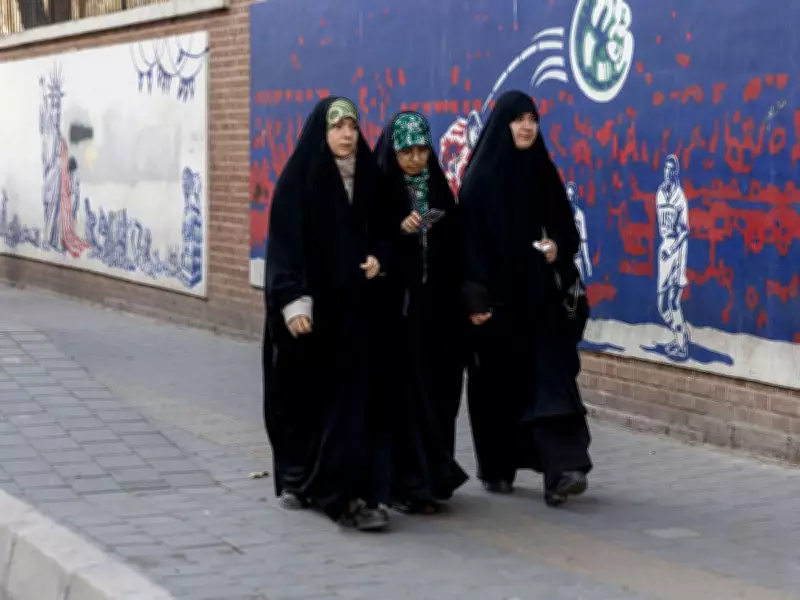
The negotiation order follows recent domestic unrest within Iran, where authorities characterized widespread protests as "riots" allegedly inflamed by foreign adversaries including the United States and Israel. Supreme Leader Khamenei further likened these demonstrations to a "coup" attempt, highlighting the complex internal dynamics influencing Iran's foreign policy decisions.
As both nations navigate this delicate diplomatic terrain, the coming days will prove crucial in determining whether negotiation frameworks can overcome military posturing and longstanding mutual distrust to achieve a sustainable agreement addressing nuclear concerns while providing economic relief through sanctions removal.