U.S. ICE Agents to Provide Security at Milan-Cortina Winter Olympics, Igniting Political Firestorm in Italy
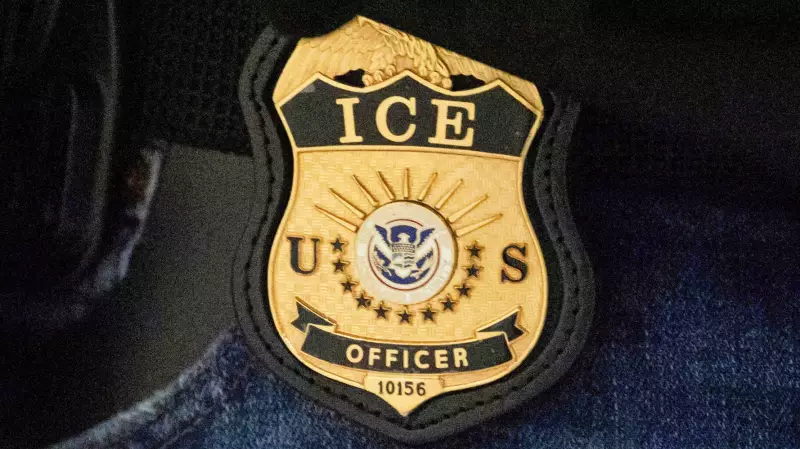
The announcement that U.S. Immigration and Customs Enforcement personnel will help protect American delegations at next month's Winter Olympics in Italy has triggered a significant political uproar across the country. The decision, confirmed by the Department of Homeland Security, comes amid heightened scrutiny of ICE's operations following recent incidents in the United States.
Security Role and Official Clarifications
According to a post on X from the Department of Homeland Security, ICE's Homeland Security Investigations division will support the U.S. State Department's Diplomatic Security Service during the Milano Cortina Olympics, scheduled for February 6-22. The agency emphasized that the agents' primary function will be "to vet and mitigate risks from transnational criminal organisations" and that all security operations will remain under Italian authority.
DHS spokesperson Tricia McLaughlin explicitly stated, "Obviously, ICE does not conduct immigration enforcement operations in foreign countries," aiming to address potential misunderstandings about their international role. This deployment follows a historical pattern, as explained by Jason Houser, former ICE chief of staff under President Joe Biden, who noted that ICE has participated in major sports events both domestically and abroad, including previous Olympic Games, through partnerships focused on combating human trafficking and drug trafficking.

Italian Political Backlash and Protests
Despite these assurances, the presence of ICE agents has been met with fierce criticism from various Italian political figures. Maurizio Lupi, leader of a small centrist party within Prime Minister Giorgia Meloni's governing coalition, told la Repubblica daily, "It seems sheer idiocy to me." Giuseppe Sala, the left-leaning mayor of Milan—one of the host cities—went further, labeling ICE "a militia that kills" during an interview with RTL 102.5 radio, adding, "It's clear that they're not welcome in Milan, there's no doubt about it."
The Italian government has attempted to calm the situation. The interior ministry issued a statement clarifying that ICE personnel would operate solely within U.S. diplomatic offices, such as the Milan consulate, and not "on the ground" for public order enforcement. Interior Minister Matteo Piantedosi confirmed he met with U.S. Ambassador Tilman Fertitta and plans to address parliament on February 4.
Broader Reactions and Historical Context
Foreign Minister Antonio Tajani urged a measured response, telling reporters at a Holocaust memorial event, "We're not talking about the (ICE people) who were out on the streets of Minneapolis... It's not as if the (Nazi) SS are arriving." A State Department spokesperson reiterated that multiple federal agencies, including ICE, would assist with security as in past Olympics.
However, opposition remains vocal. Italia Viva, a centrist opposition party led by former Prime Minister Matteo Renzi, argued that agents affiliated with ICE do not align with Italian values and should be barred from entry. Additionally, the hard-left USB trade union announced plans for an "ICE OUT" rally in central Milan on February 6, coinciding with the Olympic opening ceremony, highlighting the ongoing domestic tensions.
This controversy unfolds against a backdrop of recent criticism targeting ICE and Border Patrol agents over their enforcement of immigration policies, including incidents this month in Minnesota where two U.S. citizens were shot and killed. The U.S. embassy in Italy has declined to comment further on the matter, leaving the diplomatic and security implications to unfold as the Games approach.