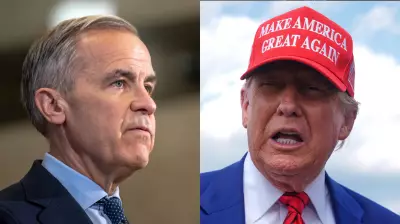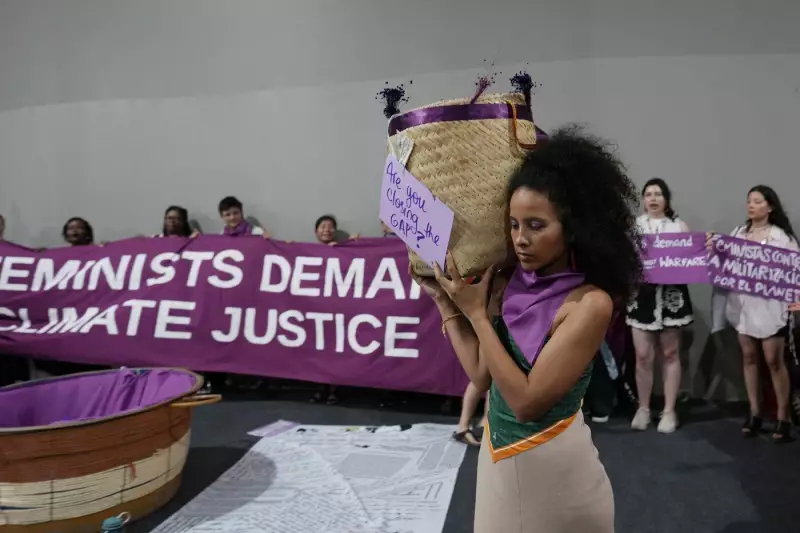
Civil society organizations and advocacy groups are intensifying their calls for Foreign Minister Mark Carney to provide a clear and public update on the status of Canada's feminist foreign policy. The demand for transparency comes amid concerns that the policy's direction and funding priorities may have shifted since the change in government.
The Call for Transparency and Commitment
Multiple groups dedicated to international development, women's rights, and gender equality have united in their request for Minister Carney to outline his vision. They are seeking explicit assurances that the feminist foreign policy, first adopted in 2017, remains a cornerstone of Canada's international engagement. The advocates emphasize that a clear statement is necessary to guide the work of partner organizations and to signal Canada's continued leadership on global gender issues.
The original policy committed Canada to placing gender equality and the empowerment of women and girls at the heart of all diplomatic, development, trade, and defense efforts. Key elements included increasing funding for women's rights organizations, supporting sexual and reproductive health rights, and ensuring a gender-based analysis of all international initiatives.

Context and Advocates' Concerns
The push for clarity is not happening in a vacuum. Advocates point to recent global challenges, including the ongoing impacts of the COVID-19 pandemic, conflicts, and the climate crisis, which have disproportionately affected women and girls worldwide. They argue that a robust and well-funded feminist foreign policy is more critical than ever to address these intersecting inequalities.
Furthermore, the change in Canada's political leadership has prompted questions about policy continuity. While the new government has spoken in broad terms about its international priorities, specific details regarding the feminist foreign policy framework have been limited. This lack of detailed communication has led to uncertainty among civil society partners who design and implement programs aligned with the policy's goals.
What Happens Next?
The advocacy groups are not merely asking for a reaffirmation of old promises; they are urging the government to build upon the existing framework. Their demands likely include concrete steps such as announcing new funding allocations, outlining priority regions and themes, and establishing clear metrics for accountability and impact measurement.
The ball is now in Foreign Minister Carney's court. His response, or lack thereof, will be closely watched by both domestic stakeholders and international allies. A strong recommitment could reinvigorate Canada's role as a leader in gender-focused diplomacy. Conversely, ambiguity or a perceived deprioritization could draw significant criticism and affect Canada's credibility on the world stage. The outcome of this advocacy push will shape Canada's international identity and its practical approach to foreign aid and diplomacy for years to come.