Gaza Residents Burn Trash for Warmth as Winter Intensifies Humanitarian Crisis
In a stark illustration of the deepening humanitarian emergency in Gaza, residents are now digging through garbage to find materials to burn for warmth. This desperate measure comes as winter conditions worsen, exacerbating the already severe shortages of fuel, electricity, and basic supplies in the region. The situation stands in sharp contrast to former U.S. President Donald Trump's recent proposals for a "Board of Peace," highlighting the vast gap between geopolitical visions and the grim realities on the ground.
Funeral Held for Journalists Killed in Strike
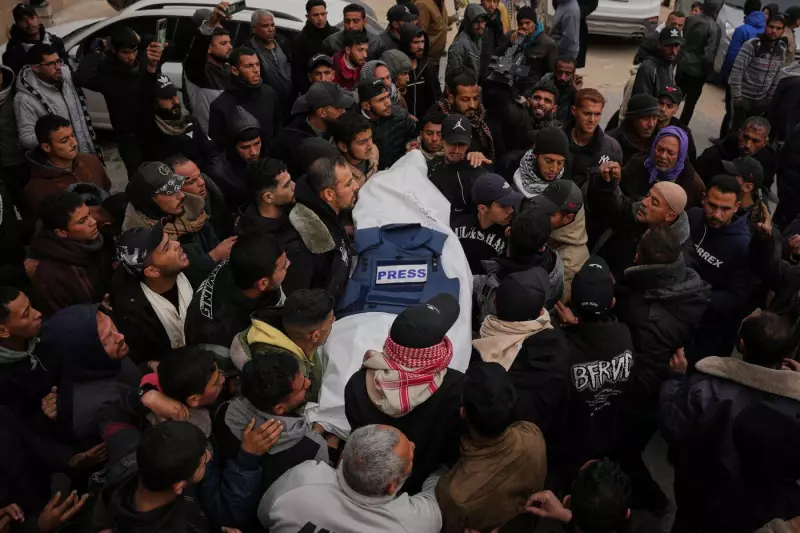
The human cost of the conflict was further underscored on Thursday, January 22, 2026, as mourners in Khan Younis, southern Gaza Strip, carried the body of Anas Ghoneim during his funeral. Ghoneim was one of three Palestinian journalists killed in an Israeli strike on a vehicle belonging to an Egyptian committee. The incident has drawn international attention to the dangers faced by media personnel covering the war.
A Crisis of Basic Necessities
The act of burning trash for heat is not merely a symptom of poverty but a direct result of the protracted Israel-Hamas war, which has crippled Gaza's infrastructure. With blockades and military operations restricting the flow of aid, civilians are left with few alternatives to survive the cold. This scenario points to a broader collapse in living standards, where access to clean water, medical care, and reliable shelter has become increasingly precarious.

- Severe fuel shortages limiting heating and electricity generation.
- Damaged infrastructure from ongoing military strikes.
- Restricted humanitarian aid access due to security concerns.
- Overcrowded living conditions in displacement camps.
Contrast with Political Narratives
While U.S. political figures like Trump advocate for new peace initiatives, the daily struggles of Gazans reveal a disconnect between high-level diplomacy and immediate human needs. The "Board of Peace" concept, touted as a mechanism for conflict resolution, offers little solace to those battling hypothermia and starvation. This dichotomy raises questions about the effectiveness of international interventions in addressing root causes of suffering.
International observers warn that without a significant increase in humanitarian assistance and a durable ceasefire, the coming months could see a dramatic rise in cold-related illnesses and deaths among Gaza's vulnerable population, particularly children and the elderly.