Explosions Rock Tehran and Jerusalem as Middle East Conflict Intensifies
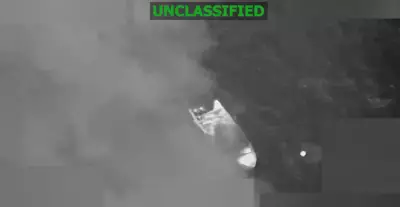
On the fifth day of a rapidly escalating war in the Middle East, residents of Tehran and Jerusalem reported hearing explosions, signaling a dangerous new phase in the regional conflict. The sounds of blasts echoed through both cities early Tuesday morning, heightening fears of a broader military confrontation. This development comes amid intense diplomatic efforts and mounting civilian casualties, with global leaders calling for restraint.
International Reactions and Diplomatic Maneuvers
Prime Minister Carney addressed the situation, emphasizing the need to protect civilians. "We remind all belligerents of their responsibilities to protect civilians," Carney stated during a press briefing. His comments reflect a delicate balancing act as Canada navigates complex foreign policy challenges. Meanwhile, former U.S. President Trump claimed that Iran’s military is crippled, a assertion contradicted by his own advisors, adding to the political uncertainty.
The conflict has drawn in various international actors, with reports suggesting the CIA is working to arm Kurdish forces to spark an uprising in Iran, according to CNN sources. This covert operation underscores the high stakes involved, as external powers seek to influence the outcome. Investors are bracing for potential energy shocks and inflation fears from a prolonged conflict, which could disrupt global oil supplies and economic stability.

Humanitarian Concerns and Civilian Impact
As explosions reverberate in urban centers, humanitarian organizations are raising alarms about the safety of non-combatants. The United Nations has issued warnings about possible war crimes if civilian infrastructure is targeted. In Tehran, emergency services were deployed to assess damage, though official casualty figures remain unclear. Similarly, in Jerusalem, authorities are investigating the source of the blasts, with initial reports pointing to possible missile strikes or aerial bombardments.
The psychological toll on residents is immense, with many families seeking shelter and fleeing conflict zones. Medical facilities in both countries are reportedly overwhelmed, struggling to cope with influxes of injured individuals. This crisis exacerbates existing tensions in a region already plagued by historical disputes and geopolitical rivalries.
Broader Implications for Global Security
The explosions in Tehran and Jerusalem highlight the risk of the conflict spreading beyond initial flashpoints. Analysts warn that a full-scale war could destabilize the entire Middle East, drawing in neighboring countries and major powers. Foreign Affairs Minister Anita Anand is set to speak at an Ottawa defence conference, where she will likely address Canada’s role in mitigating the crisis and supporting diplomatic solutions.
In the background, technological and cybersecurity threats loom large. Intelligence agencies have advised Canada to brace for potential cyberattacks linked to the conflict, as state-sponsored hackers may target critical infrastructure. The Pentagon’s dispute over AI readiness further complicates military preparedness, raising questions about how advanced technologies will shape modern warfare.
As the situation evolves, world leaders are walking a diplomatic tightrope, balancing condemnation of aggression with efforts to de-escalate. The coming days will be critical in determining whether the conflict can be contained or if it will spiral into a wider conflagration with global repercussions.