Europe Grapples with Deepening Divisions Over Mideast Crises and Fuel Costs
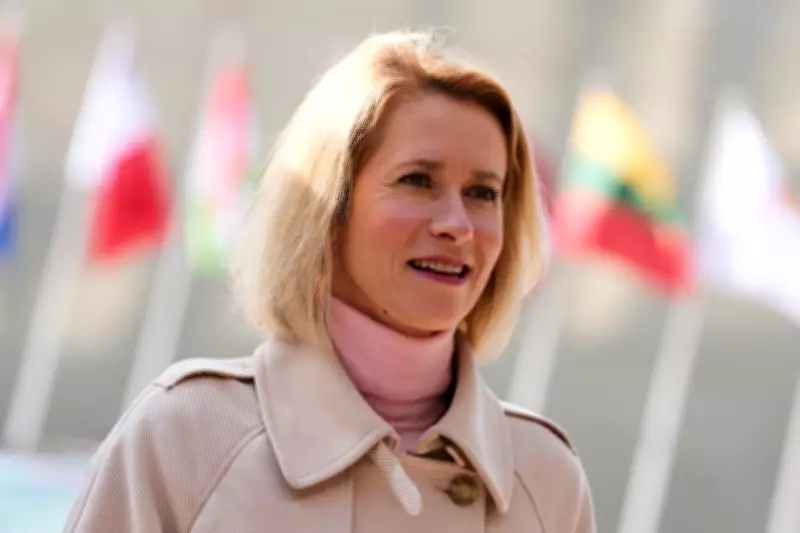
European Union foreign ministers gathered in Luxembourg on Tuesday, April 21, 2026, amid escalating tensions over Middle East conflicts, soaring fuel prices, and divergent policies toward Israel. The meeting, attended by EU foreign policy chief Kaja Kallas, highlighted the bloc's struggle to maintain a unified stance as external pressures mount.
Fuel Price Surge Exacerbates Policy Rifts
Rising fuel costs across Europe have intensified debates over energy security and foreign policy priorities. Many member states are grappling with the economic impact of increased expenses, which has fueled disagreements on how to balance domestic concerns with international diplomatic efforts. The situation has exposed fault lines between nations advocating for stronger measures against instability in the Middle East and those prioritizing economic stability through cautious engagement.
Divergent Approaches to Israel Policy
Discussions at the EU foreign ministers' meeting revealed significant disparities in approaches toward Israel. Some countries push for a more assertive stance in supporting Israel's security, while others emphasize the need for balanced diplomacy that addresses broader regional conflicts. These differences reflect deeper ideological divides within the bloc, complicating efforts to formulate a cohesive European response to ongoing Middle East crises.

Broader Implications for EU Cohesion
The convergence of Middle East tensions, fuel price volatility, and policy disagreements threatens to undermine European Union solidarity. Analysts note that these challenges come at a critical time when the bloc seeks to assert its role on the global stage. The inability to present a united front could weaken Europe's influence in international affairs and hinder collaborative solutions to shared problems.
As the meeting concluded, officials acknowledged the need for continued dialogue but offered no immediate resolutions. The ongoing divisions suggest that Europe's response to Middle East crises and related issues will remain a contentious topic in the coming months, with potential repercussions for both domestic politics and international relations.