European Union Moves Toward Sanctions on Iran's Revolutionary Guard
The European Union appears ready to impose sanctions on Iran's Revolutionary Guard in response to its harsh crackdown on domestic protests. This significant diplomatic step signals growing international pressure on Tehran over its human rights record and internal security measures.
Diplomatic Discussions in Brussels
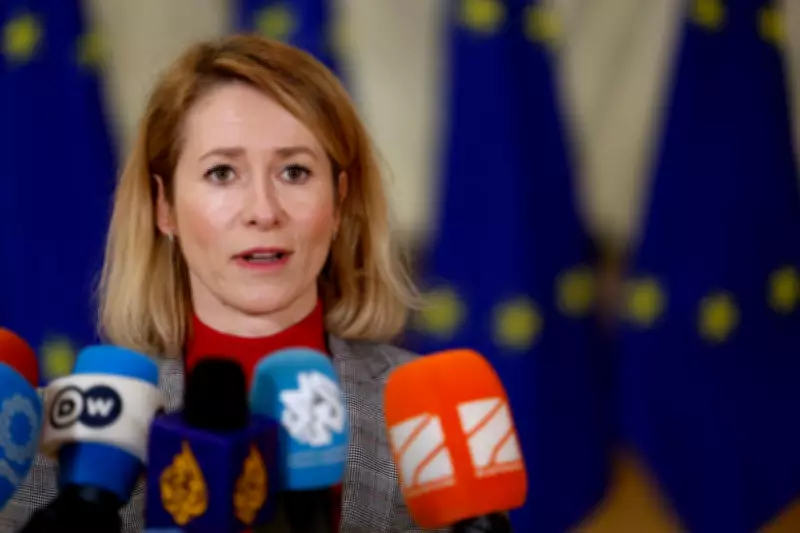
European Union foreign policy chief Kaja Kallas addressed the media as she arrived for a meeting of EU foreign ministers at the European Council building in Brussels on Thursday, January 29, 2026. The gathering focused on coordinating the bloc's response to Iran's actions against protesters, with sanctions against the Revolutionary Guard emerging as a likely outcome.
The proposed sanctions represent a substantial escalation in the EU's approach to Iran, moving beyond previous measures that targeted specific individuals or entities. The Revolutionary Guard, known formally as the Islamic Revolutionary Guard Corps (IRGC), functions as a powerful military, political, and economic force within Iran, making any sanctions against it particularly consequential.

Context of the Protest Crackdown
The EU's consideration of sanctions follows months of protests across Iran that have drawn international condemnation. Iranian authorities have employed various security forces, including the Revolutionary Guard, to suppress demonstrations, resulting in numerous arrests and reported casualties.
European officials have expressed increasing concern about the situation, with multiple member states calling for stronger action against Tehran. The potential sanctions align with broader Western efforts to hold Iran accountable for its treatment of protesters while maintaining diplomatic channels for other issues, including nuclear negotiations.
Potential Impact and Implementation
If implemented, the sanctions would likely include:
- Asset freezes targeting Revolutionary Guard officials and affiliated entities
- Travel bans for individuals connected to the organization
- Restrictions on economic activities involving the Revolutionary Guard
- Enhanced monitoring of financial transactions linked to the group
The decision requires consensus among EU member states, with discussions continuing about the specific scope and timing of any measures. Some European countries have advocated for a more cautious approach, concerned about potential repercussions on regional stability and ongoing diplomatic efforts.
This development occurs against a backdrop of complex international relations involving Iran, with the EU attempting to balance human rights concerns with broader geopolitical considerations. The outcome of these discussions will likely influence future European policy toward Tehran across multiple domains.