Egyptian President Abdel-Fattah el-Sissi has issued a powerful call for reforming the United Nations Security Council, arguing that the continent of Africa deserves a much larger and more equitable role in the world's most powerful diplomatic body.
A Call for Equitable Representation
The push for change came on December 20, 2025, as President el-Sissi emphasized the need to modernize the international governance structure. He stressed that the current composition of the Security Council does not reflect contemporary geopolitical realities, particularly the demographic and economic weight of the African continent.
This advocacy for reform underscores a long-standing grievance among African nations and many in the Global South. The UN Security Council's five permanent members—China, France, Russia, the United Kingdom, and the United States—hold veto power, a privilege established in the aftermath of the Second World War. Africa, with its 54 sovereign states, lacks permanent representation with veto rights, a point of contention in debates about the council's legitimacy and effectiveness.

Diplomatic Context and Meetings
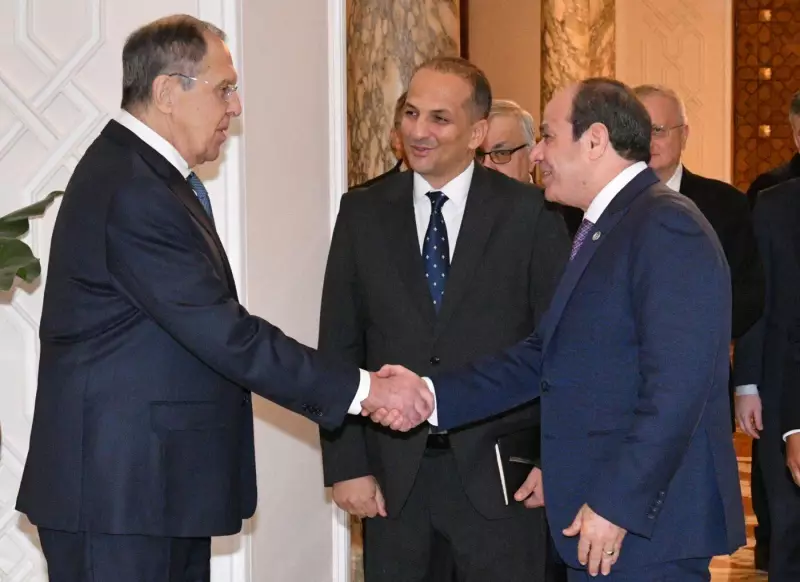
The president's remarks gained prominence on a day of significant diplomatic activity. Earlier on Saturday, December 20, 2025, President el-Sissi met with Russian Foreign Minister Sergey Lavrov at the Presidential Palace in Cairo.
An official photograph released by the Egyptian Presidency Media Office captured the two leaders greeting each other. While the specific agenda of their talks was not fully detailed in the initial report, the meeting occurred against the backdrop of broader discussions on multilateralism and international security, themes directly tied to the proposed UN reforms.
The Broader Implications for Global Governance
President el-Sissi's appeal is not an isolated demand but part of a wider, decades-long conversation about restructuring the United Nations. Proponents of reform argue that a more representative Security Council would be more credible and effective in addressing global crises, from conflicts to climate change.
For Canada, a nation that often champions multilateralism and a rules-based international order, such calls for reform present both a challenge and an opportunity. While not a permanent member, Canada has historically sought a seat on the Security Council and engages deeply with African partners. Shifts in the council's structure could influence Canadian foreign policy and its strategies for engagement on the world stage.
The path to actual reform remains fraught with difficulty, as any change to the UN Charter requires the agreement of the existing permanent members, who are often reluctant to dilute their influence. However, persistent advocacy from influential regional leaders like President el-Sissi keeps the pressure on for a system that better represents the world of the 21st century.