How China Extends Its Global Reach: An Expert Analysis of Diplomatic Maneuvers
In a world of shifting geopolitical alliances, seasoned China-watcher Cleo Paskal provides crucial insights into how the Chinese Communist Party systematically expands its influence across international borders. As Western nations navigate uncertain political waters, understanding these mechanisms becomes increasingly vital for policymakers and citizens alike.
Western Nations Seek Chinese Engagement Amid US Uncertainty
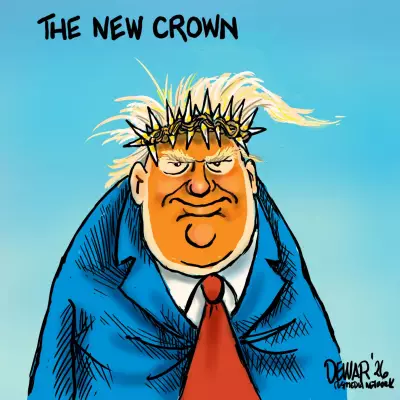
Canada, the United Kingdom, South Korea, and other nations are currently pursuing closer diplomatic relations with Chinese leadership, creating what experts describe as a strategic hedge against an unpredictable Trump administration. This diplomatic maneuvering comes as former US President Donald Trump threatens retaliatory tariffs, specifically identifying Canada as what he calls a pressure-relief valve for Chinese industrial overcapacity entering American markets.
The Chinese Communist Party's ultimate objectives remain deliberately opaque, according to analysts, making these Western diplomatic overtures particularly risky. The situation represents a delicate balancing act for nations attempting to maintain relationships with both economic superpowers while protecting their own national interests.

Expert Testimony Reveals Complex Influence Networks
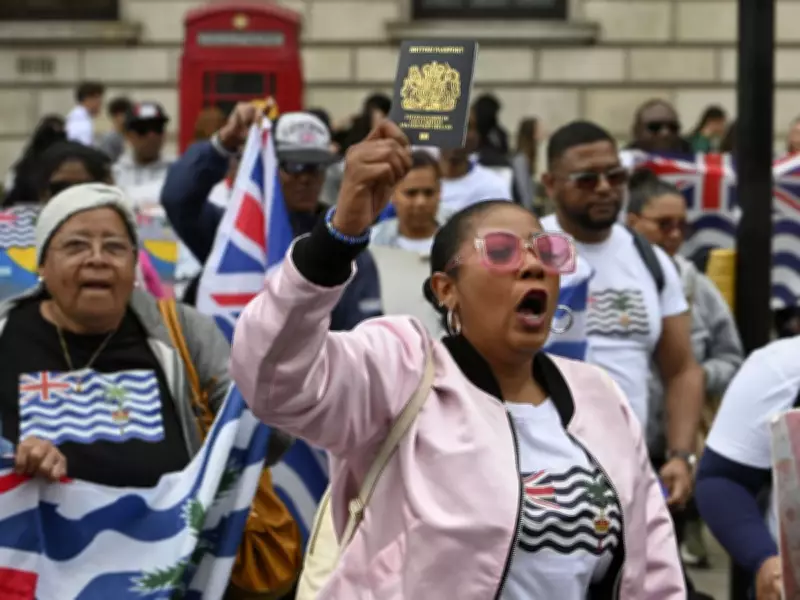
Cleo Paskal, a Canadian journalist and senior fellow at the Foundation for Defence of Democracies, recently provided expert testimony before the UK House of Lords regarding the controversial decision to return the Chagos Islands to Mauritius. I think they were expecting me to say it's a bad idea because of Chinese influence in Mauritius, Paskal revealed, and what I said was it's a bad idea because of Chinese influence in the UK.
This perspective highlights how Chinese influence operations extend far beyond direct territorial disputes, embedding themselves within the political and economic structures of Western nations themselves. Paskal's analysis suggests that the recent approval of a massive Chinese embassy in London, located in what she describes as a highly strategic location, coincides suspiciously with UK Prime Minister Keir Starmer's three-day visit to China.
Strategic Infrastructure and Unrestricted Warfare Tactics
From the remote island of Yap in the Federated States of Micronesia, Paskal observes firsthand how China implements what she terms unrestricted warfare approaches to global influence. This comprehensive strategy extends beyond traditional military concerns to encompass economic, social, and infrastructure dimensions that Western nations often overlook.
Paskal traveled to Yap specifically to witness the handover of a former Imperial Japanese runway, recently rehabilitated by Chinese contractors, to the local government. This development occurs simultaneously with US Defense Secretary Pete Hegseth's announcement of approximately $2 billion in American infrastructure investments for the same island, which hosts only 5,000 residents but occupies a crucial position in the second island chain between Guam and Palau.
The US definition of defense is very narrow; it's kinetic defense, Paskal explains, contrasting American approaches with China's more comprehensive strategy. The Chinese unrestricted warfare approach is much more societally comprehensive: it's pushing out Chinese shops and running hospitals and all of that sort of stuff.
Global Implications for Democratic Nations
The expert analysis reveals several critical considerations for democratic nations engaging with China:

- Chinese influence operations work simultaneously at multiple levels, from local infrastructure projects to high-level diplomatic engagements
- Western nations must develop more sophisticated understanding of non-kinetic security threats
- Strategic locations, even in remote regions, can become focal points for great power competition
- Diplomatic decisions often have unintended consequences regarding influence networks
As nations like Canada continue to navigate complex relationships with both China and the United States, Paskal's fieldwork and analysis provide valuable context for understanding the subtle ways global influence is projected and contested in the 21st century. The coming years will likely see increased tension between traditional Western alliances and the expanding reach of Chinese strategic interests across multiple continents.