Canadian Prime Minister's Japanese Language Display Wins Smiles in Tokyo
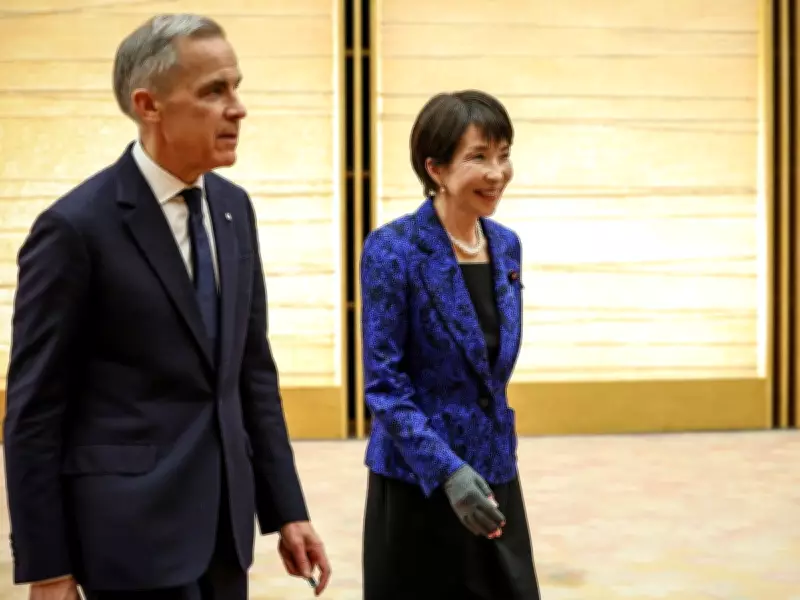
Prime Minister Mark Carney demonstrated his developing Japanese language abilities during a high-profile meeting with Japan's Prime Minister Sanae Takaichi in Tokyo, creating a memorable diplomatic moment that highlighted personal connections amid substantive policy discussions.
Language Efforts Create Warm Diplomatic Atmosphere
During their joint press conference on March 6, 2026, Carney surprised his Japanese counterpart by incorporating Japanese phrases into his remarks, despite briefly stumbling over her name initially. The Canadian leader's linguistic efforts prompted visible appreciation from Takaichi, who responded with a broad smile and applause.
"I'm not finished yet," Carney remarked with laughter after delivering his first Japanese sentences, acknowledging the ongoing nature of his language learning journey. The exchange created a warm atmosphere between the two leaders, with Carney later describing the reception as "gracious hospitality" from his hosts.

Strategic Partnership Announcements
Beyond the personal interactions, the visit produced significant diplomatic outcomes as Canada and Japan announced a new comprehensive strategic partnership. The agreement includes several cooperation frameworks addressing shared concerns:
- Enhanced collaboration on combating illegal fishing in the North Pacific
- Improved international emergency response coordination
- Regular Coast Guard exercises between the two nations
Maritime security cooperation emerged as a central component of the new agreements, with both countries committing to increased joint naval exercises between the Royal Canadian Navy and Japanese Navy.
Energy and Economic Cooperation
The visit occurred during the final leg of Carney's three-country tour aimed at strengthening trade relationships and reducing Canada's economic dependence on the United States amid ongoing tariff concerns. Japan represents a crucial market for Canadian energy exports, particularly liquefied natural gas and liquefied petroleum gas from Canada's West Coast.
Prime Minister Takaichi characterized the energy collaboration as "mutually complementary," noting Canada's abundant energy resources alongside Japan's advanced technologies in the sector. The leaders also discussed expanding cooperation in defense and cybersecurity policy areas.
Personal Touches and Cultural References
Carney incorporated several personal elements into his diplomatic approach, revealing that he had read Takaichi's book and referencing her favorite baseball team, the Hanshin Tigers. He expressed hope that Canadian baseball player Kazuma Okamoto of the Toronto Blue Jays might achieve similar success.
The Canadian delegation, which included Defence Minister David McGuinty as the sole cabinet minister accompanying Carney to Japan, engaged with several Japanese business leaders during the visit. Meetings with executives from major Japanese automakers proved particularly significant, given that brands like Toyota and Honda represent the largest share of vehicles manufactured in Canada.
Economic Confidence Amid Trade Uncertainties
A senior Canadian government official, speaking anonymously, expressed confidence in continued Japanese investment in Canada's automotive sector. This optimism comes as Canada prepares for negotiations to renew the Canada-U.S.-Mexico free trade agreement, with U.S. President Donald Trump having previously targeted Canadian auto industry jobs.
While no major financial agreements were finalized during Carney's whirlwind Tokyo visit, the foundation was laid for strengthened bilateral relations across multiple sectors, combining substantive policy cooperation with the personal diplomacy that characterized the leaders' interactions.