Prime Minister Carney Voices Regret Over Support for U.S. Military Action Against Iran
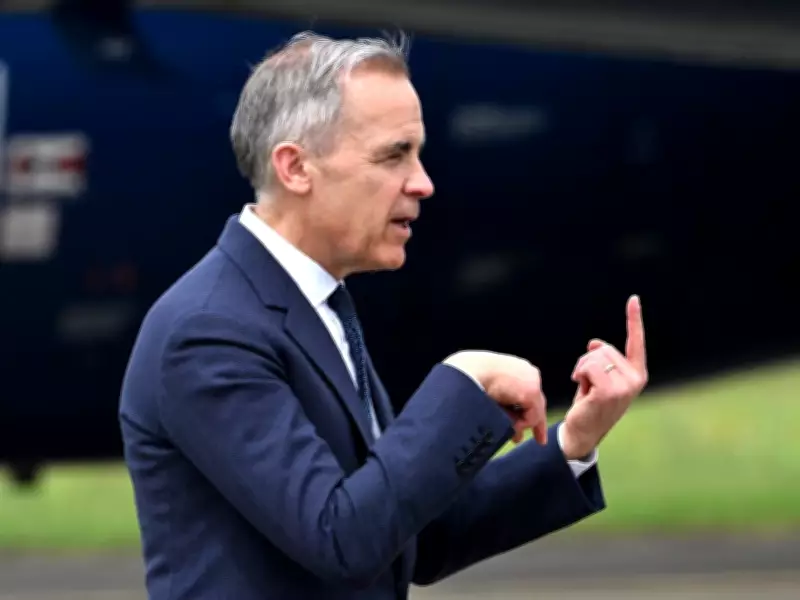
Prime Minister Mark Carney has publicly expressed some "regret" after his initial endorsement of recent United States-led military strikes targeting Iran. This shift in tone comes as Carney voiced profound concern regarding what he described as the continued decline of the rules-based international order. The Canadian Press reported these remarks, highlighting a nuanced position from the Canadian leader on a volatile global issue.
Canada Excluded from Pre-Strike Planning
Carney clarified that Canada was neither informed in advance about the strikes nor asked to participate in the military action. He stated unequivocally that "it appears that these actions are inconsistent with international law." This admission underscores a significant gap in allied coordination. The Prime Minister broke ranks with several European allies by offering his initial, unequivocal support for the strikes, which have since expanded to include actions by Israel.
Despite his reservations about the process, Carney affirmed his support for the underlying U.S. objectives: to end Iran's nuclear program and its state-sponsored terrorism activities. He issued a dual call, urging both the U.S. and Israel to "respect the rules on international engagement" while simultaneously demanding that Iran cease its attacks on civilians across the Middle East.

No Evacuation Plan for Canadians in the Region
Amid the escalating conflict, Foreign Affairs Minister Anita Anand revealed that Canada has no immediate plan to evacuate its citizens from the Middle East. The government has, however, requested permission from Oman to use its airspace, mirroring actions by other nations extracting their citizens. Anand described the situation as "very volatile and very real" with a high potential for loss of life.
"We would like to play a role in the cessation of hostilities and the diplomatic resolution," Anand stated on Tuesday, emphasizing Canada's desire for a peaceful, negotiated outcome. Ottawa continues to advise the over 97,000 Canadians registered in the region to leave by their own means. This group includes 16 Queen's University students and a faculty member, currently reported safe in Doha, Qatar, after a biology field course in Sri Lanka.
Military Personnel Safe, Diplomatic Relations Strained
Defence Minister David McGuinty confirmed that all Canadian military personnel in the Middle East are "out of harm's way," though he declined to specify their numbers or locations due to national security concerns. Speaking from Sydney, Australia, where he was accompanying the Prime Minister, McGuinty also commented on the death of Ayatollah Ali Khamenei, calling it a "positive step for Iran," referencing Khamenei's long history as a destabilizing force. Canada severed diplomatic ties with Iran in 2012.
In a related diplomatic move, Prime Minister Carney spoke with Emirati President Sheikh Mohamed bin Zayed Al Nahyan, thanking him for the protection of approximately 24,500 Canadians in the United Arab Emirates. The UAE itself is reportedly considering retaliatory strikes against Iran, having endured over a thousand strikes from Iranian territory.
The Prime Minister's expressions of regret and concern signal a complex balancing act for Canadian foreign policy, striving to support allies while upholding international legal standards during a period of significant geopolitical tension.