PM Carney: Canada Will Support Allies 'When It Makes Sense' Amid Iran Tensions
Prime Minister Mark Carney has articulated a nuanced stance on Canada's foreign policy, declaring that the nation will stand by its allies "when it makes sense," particularly in the context of escalating Middle East conflicts involving Iran. This statement comes as international tensions rise, with NATO ally Turkey being targeted and the U.S. signaling an expanded military campaign against Iran.
Carney Refuses to Rule Out Participation in Iran Conflict
In a significant parliamentary address, Carney emphasized that "one can never categorically rule out participation" when questioned about Canada potentially joining a war in Iran. He highlighted Canada's "rare convening power" alongside Australia, suggesting a diplomatic role, but acknowledged the pressure for Canadian entanglement as the situation evolves. Foreign Affairs Minister Anita Anand has echoed concerns, urging NATO to shift its focus to the North, indicating broader strategic considerations.
Context of Escalating Middle East Unrest
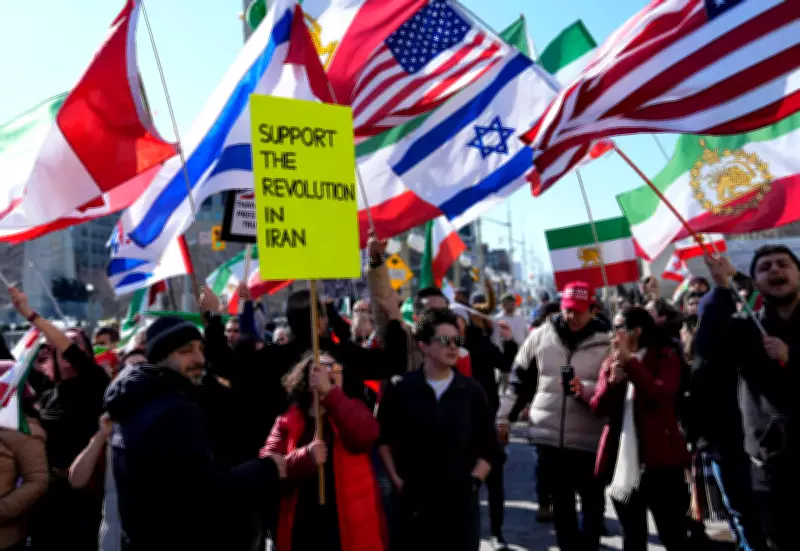
The backdrop to Carney's remarks includes a series of high-profile developments. Former U.S. President Donald Trump justified strikes on Iran by citing nuclear threats, calling it "a nation that's out of control," while U.S. officials like Leavitt defended "Operation Epic Fury" as targeting "brutal terrorists." Meanwhile, domestic issues such as protests against OSAP changes in Ontario and a treaty settlement for First Nations in northwestern Ontario underscore the balancing act Carney faces between international commitments and homefront priorities.

Implications for Canadian Foreign Policy
Carney's shift on Iran, while cautious, may not fully alleviate calls for deeper Canadian involvement. His emphasis on acting "when it makes sense" reflects a pragmatic approach, weighing alliances against national interests. This stance is set against a global landscape where economic agreements, like those on critical minerals with Australia, and health crises, such as mental health issues, compete for governmental attention. As the conflict escalates, Canada's role remains under scrutiny, with Carney positioning the country as a measured ally rather than an automatic participant.