As Mark Carney touched down in Mumbai, India, his primary objective was clear: to address the diplomatic and trade challenges left by his predecessor, Justin Trudeau. This mission underscores a critical effort to revitalize Canada's relationship with the world's most populous democracy, a connection that has seen significant strain in recent years.
A Legacy of Strained Ties
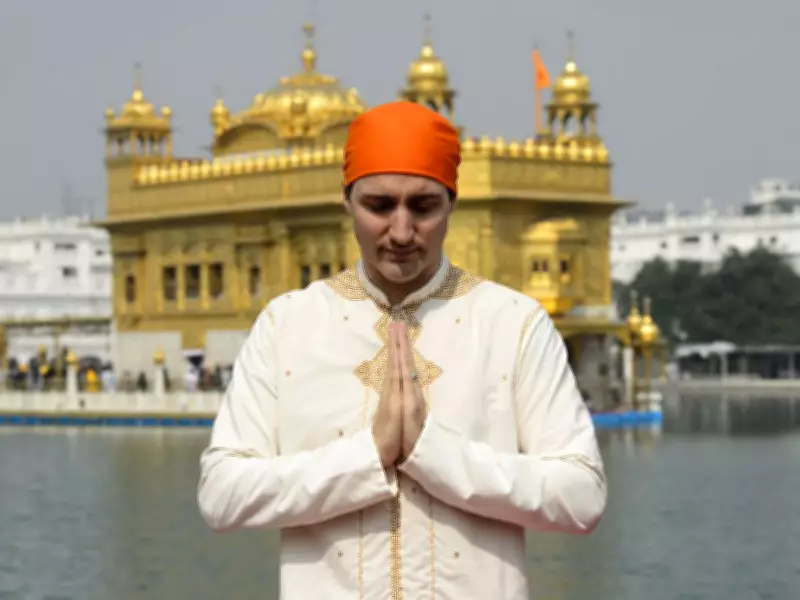
Under Trudeau's leadership, Canada-India relations deteriorated due to a series of missteps and controversies. One notable incident was Trudeau's 2018 visit to India, where his family's attire and activities were met with criticism from Indian media, overshadowing diplomatic goals. More seriously, the inclusion of Jaspal Atwal—a Canadian convicted of attempted murder in India—in official events sparked outrage and damaged trust between the nations.
Political Interference and Accusations
Trudeau's administration further complicated matters by involving itself in internal Indian issues, such as farmer protests, and courting support from Khalistani separatist groups seeking a separate Sikh homeland in Punjab. The situation escalated when Trudeau publicly accused India of murdering a Canadian citizen linked to Sikh separatism, a claim that severed diplomatic channels and halted progress on key initiatives like free trade agreements.

Carney's Diplomatic Reset
Carney's government is now taking a different approach, emphasizing reconciliation and economic cooperation. In background briefings, officials stated that Canada no longer believes India is engaged in foreign interference within its borders, a shift from previous allegations. This move aims to pave the way for renewed dialogue and partnership, particularly in trade and energy sectors.
Economic Opportunities at Stake
Saskatchewan Premier Scott Moe, who joined Carney's trade mission, highlighted that Canada has fallen behind other countries in exporting to India, despite being a leading supplier of food, fuel, and fertilizer. Indian officials have expressed interest in purchasing Canadian crude oil, liquefied petroleum gas (LPG), and liquefied natural gas (LNG), opportunities that were neglected under Trudeau's policies.
Historical Context and Future Prospects
Historically, Canada and India have shared ties through the Commonwealth and common law systems, but anti-colonial sentiments post-1947 and Cold War dynamics limited closer relations. Efforts to strengthen bonds began under Prime Minister Stephen Harper, who initiated free trade talks in 2012, but these were derailed by Trudeau's tenure. Carney's mission seeks to rebuild on this foundation, focusing on mutual benefits and strategic alignment.
As Carney navigates this complex diplomatic landscape, the success of his efforts could unlock significant economic potential for Canada, fostering stronger trade links and restoring a vital international partnership. The outcome will be closely watched by policymakers and businesses alike, hoping for a new chapter in Canada-India relations.