Canadian Solidarity with Iran Requires Action Beyond Statements, Says Advocate
An eyewitness who recently escaped Iran has provided chilling details about the deteriorating situation in the country, telling the British-based news outlet Iran International that "every person is reporting the death of a family member, relative, neighbour or friend." This stark assessment underscores the severity of the crisis unfolding in Iran as the regime continues its brutal suppression of dissent.
Eyewitness Accounts Reveal Systematic Violence
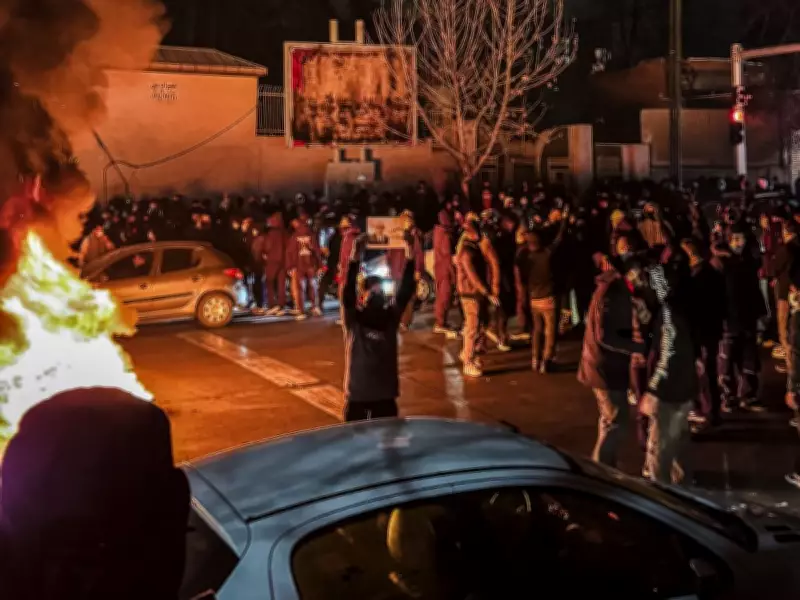
Bardia, an Iranian student based in Berlin, returned home to visit family in Rasht last month and witnessed events that would change his perspective forever. On the night of January 8, he observed commandos opening fire on unarmed protesters in what he described as a targeted massacre. "They shot only at heads and hearts," he told Iran International from the safety of Germany.
The aftermath revealed a systematic attempt to conceal evidence of the violence. "Street cleaners were brought in the early hours to erase all traces," Bardia reported. "They swept the streets, collected shell casings and washed the blood away with fire trucks."

Morgues Overflowing Amid Digital Darkness
In Tehran, the situation has reached catastrophic proportions. Morgues are overflowing with victims, and families wander among rows of bodies wrapped in black bags, searching for loved ones in what has become a state-imposed digital darkness. The regime's internet blackout, now entering its third week, prevents even basic communication, leaving families unable to make phone calls or access information about missing relatives.
The only voices reaching the outside world come from videos smuggled out via Starlink technology. In one particularly heartbreaking recording, a woman can be heard crying out: "Get up my love, get up for God's sake." These smuggled communications provide the only window into the human toll of the regime's crackdown.
Canada's Statements of Solidarity Questioned
This unfolding humanitarian crisis occurs as Canada issues statements about standing "in solidarity with the Iranian people." However, advocates are questioning what this solidarity means in practical terms when the Islamic Republic continues shooting civilians, burning protesters alive, and executing dissenters with impunity.
The current uprising, which began on December 28, has become the bloodiest crackdown in the Islamic Republic's 47-year history. Some reports suggest the death toll may be as high as 30,000 people, though exact numbers remain difficult to verify due to the information blackout.
Scale of Violence Defies Comprehension
The scale of carnage in Iran defies comprehension. In Tehran, eyewitness accounts describe how the regime deployed military-grade weapons against civilians. When protesters set fire to a mosque to free detained friends, security forces deliberately blocked access routes and prevented fire engines from reaching the area. This calculated decision allowed the blaze to spread through 300 shops in the historic bazaar, destroying the livelihoods of merchants who had joined the nationwide strike.
In the northwest city of Qazvin, a witness reported more than 1,000 people killed over just three nights. The floors of some medical centers were reportedly covered in blood, creating scenes of unimaginable horror for medical personnel attempting to treat the wounded.
Targeted Violence Against Protesters
In Karaj, security forces reportedly fired directly at protesters, shot the wounded, and blocked others from reaching hospitals. In Gorgan, an eyewitness said that security forces fired from hospital rooftops, deliberately killing a 15-year-old girl. These accounts suggest a pattern of targeted violence against civilians exercising their right to protest.
Tehran's Friday prayer leader, Ahmad Khatami, has called for the execution of all detained protesters, labelling them "servants of Netanyahu" and "soldiers of Trump." This inflammatory rhetoric from a senior religious figure demonstrates the regime's determination to frame the protests as foreign-inspired rather than acknowledging them as a genuine domestic movement for change.

Iranian Resistance Continues Despite Crackdown
Despite the horrific violence and complete information blackout, the Iranian people continue to resist. On January 8 alone, at least 1.5 million people took to the streets of Tehran, according to European intelligence shared with Iran International. This massive turnout occurred despite the known risks of participating in demonstrations.
Iranians continue to organize, chant from their windows, and refuse to submit to the regime's authority. Crown Prince Reza Pahlavi, who has emerged as a unifying figure for the democratic movement, has called for continued resistance through nightly chants and nationwide strikes. "The blood of the best and bravest children of our homeland does not allow us to remain silent or retreat," he wrote on social media.
The resilience of the Iranian people stands in stark contrast to the brutality of the regime's response. As the international community watches these events unfold, questions remain about what concrete actions countries like Canada can take to translate statements of solidarity into meaningful support for those risking their lives for freedom and democracy.