Canada's Strategic Vulnerability in a Post-Multilateral World Order
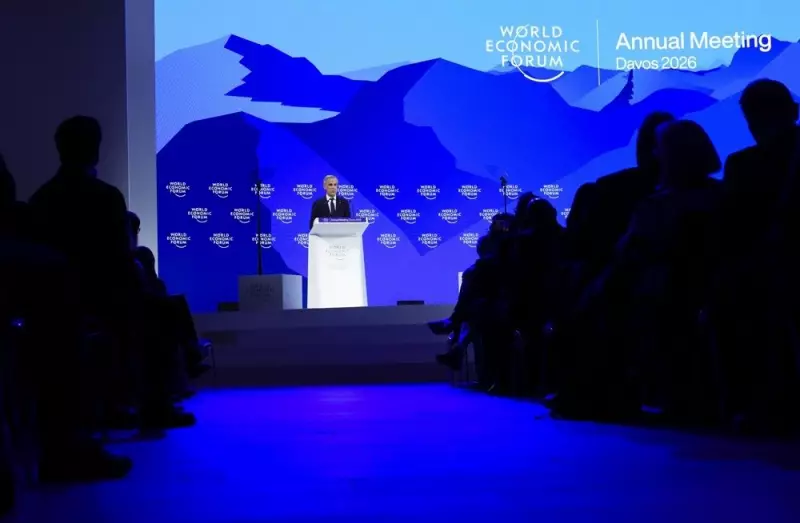
Prime Minister Mark Carney's recent address at the World Economic Forum in Davos, Switzerland, delivered a sobering assessment of the current international landscape. His central argument, which many analysts now echo, is that the era of multilateralism has effectively ended. This fundamental shift in global governance presents significant challenges for middle powers like Canada, which have traditionally relied on international institutions and treaties to protect their interests.
The New Reality of Global Power Politics
In this emerging world order, Carney identified the United States, China, and Russia as the three dominant superpowers. These nations, according to his analysis, demonstrate a growing willingness to bypass established international laws and treaties when it serves their strategic objectives. This represents a dramatic departure from the post-World War II framework that Canada helped build and has depended upon for decades.
The editorial perspective argues that Canada finds itself particularly unprepared for this new geopolitical reality. After a decade of Liberal governance, the country faces what critics describe as significant strategic and economic vulnerabilities that limit its ability to navigate these turbulent international waters effectively.

Carney's Vision Versus Canadian Reality
In his Davos speech, Carney outlined a potential path forward for Canada as a "middle power" in this changed environment. His strategy involves establishing alliances with like-minded nations in Europe and Asia while pursuing selective, limited partnerships with superpowers like China and the United States. This approach, which he termed "variable geometry," aims to protect Canadian sovereignty through flexible diplomatic arrangements.
However, critics contend that the Canada Carney described—an "energy superpower" with "vast reserves of critical minerals" and "immense fiscal capacity"—does not align with current realities. They point to what they characterize as a decade of economic underperformance under previous Liberal leadership, suggesting that Canada's actual capabilities fall short of Carney's aspirational vision.
Economic Challenges and Strategic Limitations
The analysis highlights concerning economic indicators, including what it describes as Canada's worst record of economic growth in terms of real GDP per capita since the Great Depression era. According to this perspective, Canada has trailed other G-7 nations and, based on OECD projections, may continue to underperform compared to other industrialized countries for decades without significant policy changes.
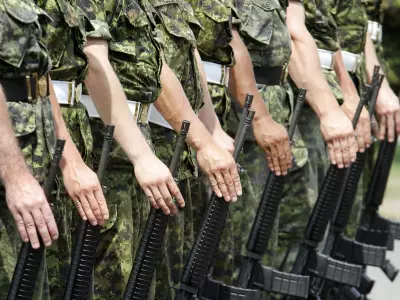
These economic challenges directly impact Canada's strategic capabilities. The editorial points to specific examples, such as Canada's limited capacity to patrol its own Arctic borders due to what critics call chronic military underfunding. This vulnerability becomes particularly relevant in light of Carney's stated support for Greenland and Denmark's right to determine Greenland's future—a position that implies greater Arctic engagement than Canada may currently be equipped to provide.
Long-Term Solutions for Immediate Crises
While acknowledging Carney's attempts to address economic challenges through policy adjustments, the analysis suggests these represent long-term solutions to what are increasingly immediate strategic concerns. Issues such as immigration policy, government spending, and resource development require sustained attention, but they may not provide the rapid response capabilities needed in a world where superpowers are increasingly willing to act unilaterally.
This creates a fundamental tension between Canada's diplomatic aspirations and its practical capabilities. As global norms shift away from multilateral cooperation toward great power competition, Canada must navigate between maintaining principled positions on international issues and developing the tangible resources—both economic and military—to support those positions effectively.

The changing global landscape demands careful strategic reassessment from Canadian policymakers. As traditional frameworks erode and powerful nations demonstrate decreasing commitment to international rules-based systems, middle powers like Canada face complex decisions about alliance structures, resource allocation, and diplomatic positioning in an increasingly unpredictable world.