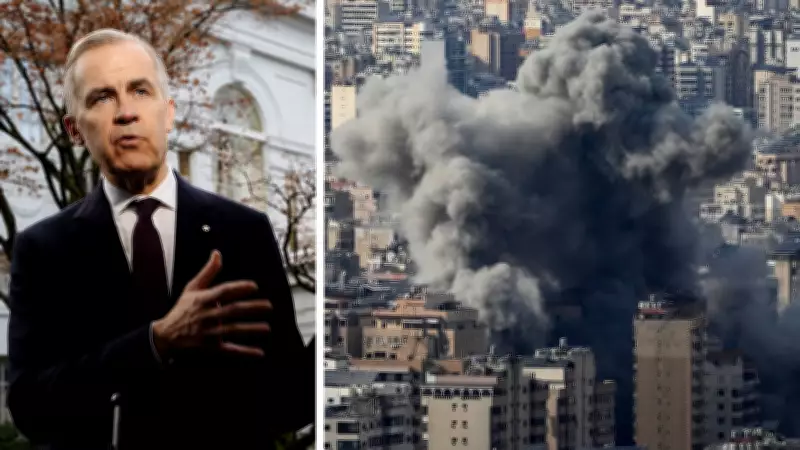
Prime Minister Mark Carney has explicitly stated that Canada remains "not engaged" in the escalating Middle East conflict, as Israel launched a new series of military strikes against Iran. This declaration comes amid heightened global tensions and ongoing violence in the region, with Carney emphasizing Canada's commitment to a diplomatic and neutral stance.
Carney Reaffirms Canada's Diplomatic Position
In a recent statement, Prime Minister Carney clarified Canada's position, underscoring that the nation is not participating in the military actions unfolding between Israel and Iran. "Canada is not engaged in this conflict," Carney asserted, highlighting the government's focus on peaceful resolution and international cooperation. This stance aligns with Canada's historical role as a mediator and advocate for de-escalation in global hotspots.
Israel's Latest Strikes on Iran
Israel's new strikes on Iran mark a significant escalation in the long-standing tensions between the two nations. Reports indicate targeted military operations aimed at Iranian facilities, though specific details remain under wraps due to security concerns. These actions have sparked international alarm, with many countries calling for restraint to prevent further regional destabilization.

The strikes follow a pattern of increased hostilities, raising fears of a broader conflict that could draw in other global powers. Analysts note that such military engagements often have ripple effects, impacting global oil markets, security alliances, and humanitarian conditions in the Middle East.
Global and Domestic Implications
Carney's announcement has implications both internationally and at home. On the global stage, it positions Canada as a non-combatant, potentially allowing it to play a neutral role in future peace negotiations. Domestically, it reassures Canadians about the government's cautious approach to foreign entanglements, especially in volatile regions.
However, critics argue that Canada's non-engagement might be perceived as passivity in the face of aggression. Some foreign policy experts suggest that a more proactive diplomatic effort could be necessary to address the root causes of the conflict and support affected civilians.
Looking Ahead: Canada's Role in Conflict Resolution
As the situation develops, Canada is expected to continue advocating for dialogue and humanitarian aid. Carney's administration has hinted at potential initiatives to support refugees and promote stability, though no specific plans have been unveiled yet. The prime minister's stance reflects a broader strategy of prioritizing domestic concerns while engaging internationally through diplomatic channels.
The ongoing conflict underscores the fragile nature of Middle East geopolitics, with Canada's response being closely watched by allies and adversaries alike. Future developments will likely test the balance between neutrality and active peacemaking, as global leaders navigate this complex crisis.