Canada Urges Citizens to Plan Independent Departures as Middle East Crisis Intensifies
In a stark contrast to its international allies, Canada has yet to organize government-chartered flights for citizens stranded in the Middle East, despite escalating regional tensions. Foreign Affairs Minister Anita Anand announced on Wednesday that Ottawa has secured seats on commercial flights out of Lebanon for Canadians seeking to return home, but emphasized that this falls short of the evacuation efforts seen in other nations.
Evacuation Gap Leaves Canadians Vulnerable
While the United States, the United Kingdom, and France have all unveiled plans for state-sponsored repatriation flights, Canada's approach remains reliant on commercial options. More than 103,000 Canadians have registered their presence in the region with the federal government, according to a statement from Anand's office. The government has "secured a limited number of seats" on flights departing from Beirut, with additional commercial tickets still available out of Lebanon.
"Canadians in the region should prepare departure plans that do not rely solely on Government of Canada assistance," Anand's office cautioned. "Global Affairs Canada is not currently offering assisted departures." This advisory comes as airspace closures across multiple countries have severely disrupted travel, with over 15,000 flights cancelled since Iran's initial retaliatory strike on February 28.

Regional Chaos Complicates Departure Efforts
The evacuation challenges are compounded by widespread airspace restrictions. Currently, all airspace is closed over:
- Iran
- Iraq
- Syria
- Israel
- Kuwait
- Qatar
- Bahrain
Partial closures are in effect over the United Arab Emirates and Jordan, further limiting escape routes. The crisis erupted when Lebanon was drawn into the regional conflict on March 2, following Hezbollah's attack on Israel, which was framed as retaliation for the killing of Iranian supreme leader Ali Khamenei during U.S.-Israeli strikes.
Allied Nations Take Proactive Measures
In response to the deteriorating situation, allied governments have implemented more robust evacuation strategies:
- United States: Planning repatriation flights for citizens stranded in the UAE, Saudi Arabia, and Jordan.
- France: Has already commenced government flights, as confirmed by President Emmanuel Macron.
- United Kingdom: Working to charter a government flight from Oman, according to Foreign Secretary Yvette Cooper.
For Canadians in Israel, the government statement noted that buses are available to transport individuals to a border crossing with Egypt. However, this option does not address the broader evacuation needs across the region.
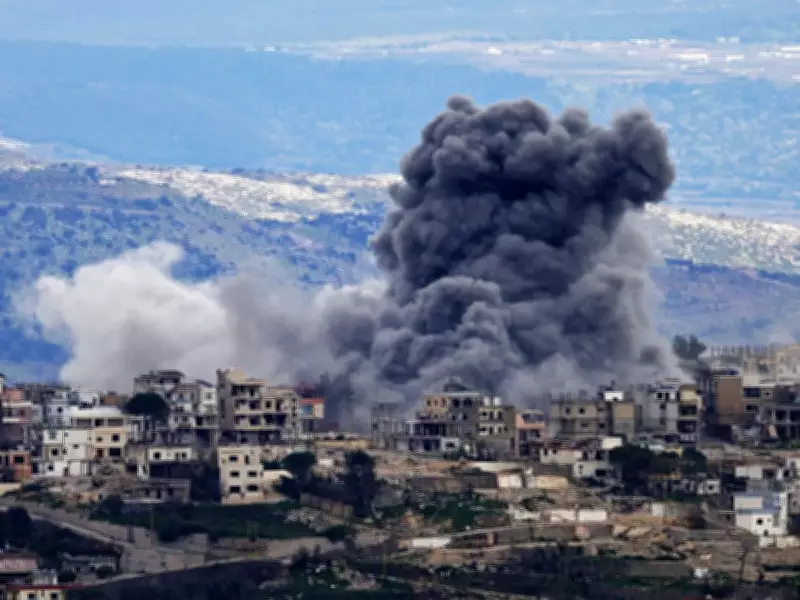
The situation remains fluid, with ongoing Israeli military strikes in southern Lebanon following evacuation orders for areas south of the Litani River. As the conflict persists, Canadian authorities continue to monitor developments while urging citizens to take personal responsibility for their departure plans.