In a significant shift in foreign policy, the Government of Canada has formally removed Syria from its official list of foreign state supporters of terrorism. The move, announced on December 5, 2025, also includes the lifting of specific sanctions against Syria's interim government.
A Major Policy Reversal
The decision marks a notable departure from Canada's longstanding position on the Syrian conflict. For years, Canada maintained a firm stance against the Syrian regime and provided support to opposition groups. The delisting signifies a recalibration of Ottawa's diplomatic approach to the war-torn nation and its political entities.
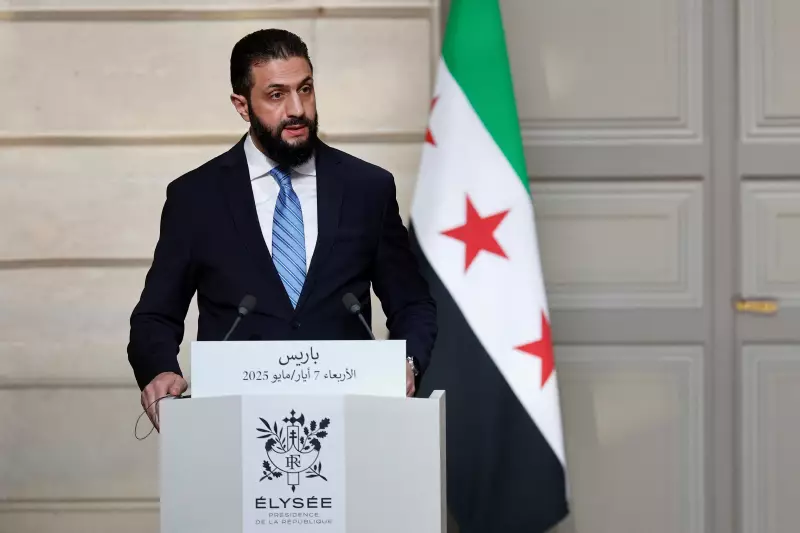
The sanctions that have been dropped targeted the Syrian Interim Government, a political body opposed to the regime of Bashar al-Assad. This interim government is led by Interim President Ahmad al-Sharaa, who was notably pictured in Paris in May 2025 meeting with French President Emmanuel Macron.

Context and International Relations
This policy change does not occur in a vacuum. It follows a period of evolving international dynamics concerning Syria. The move by Canada may align with broader efforts by some nations to engage with alternative Syrian political structures as the protracted conflict continues.
The announcement was made public by the federal government on Friday, December 5, 2025. The official notice confirms that the legal and regulatory frameworks designating Syria as a terrorism-supporting state have been amended, effectively lifting the associated financial and trade restrictions on the interim government.
Implications and Next Steps
The practical implications of this decision are multifaceted. It potentially opens a door for limited diplomatic engagement and could affect how Canadian organizations interact with entities linked to the Syrian Interim Government. However, it is crucial to note that other sanctions related to human rights abuses and against specific regime figures likely remain in place.
This strategic pivot will be closely watched by allies and analysts. It raises questions about future Canadian involvement in Syrian reconstruction efforts and its positioning within multilateral forums discussing the country's future. The decision underscores the complex and often fluid nature of international diplomacy, where today's adversary can become tomorrow's necessary interlocutor.