Canada Joins Global Outcry Over Israeli Demolition of UN Compound in Jerusalem
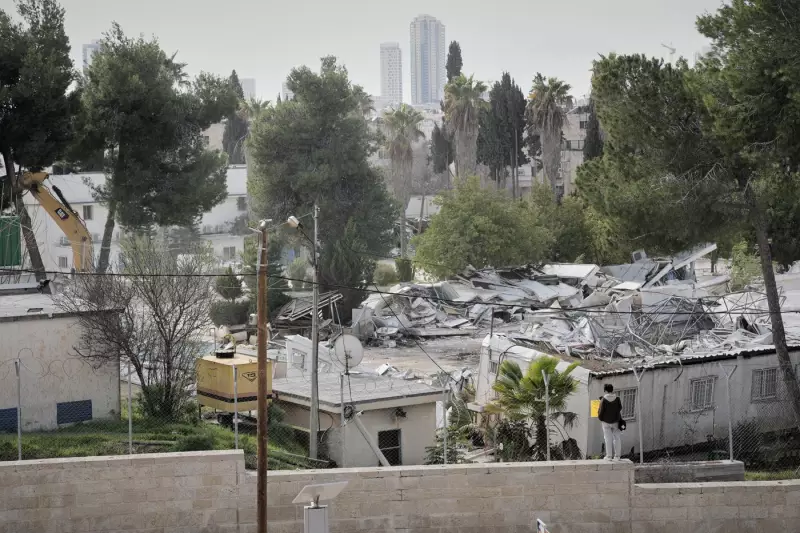
In a significant diplomatic move, the Government of Canada has joined a chorus of international condemnation following Israel's demolition of a United Nations compound in East Jerusalem. The action, which occurred on Tuesday, January 20, 2026, targeted a facility belonging to the United Nations Relief and Works Agency for Palestine Refugees in the Near East (UNRWA).
The demolition was carried out by Israeli bulldozers and has drawn sharp criticism from multiple Western allies, including the United Kingdom and France. These nations have issued formal statements expressing deep concern over the incident, which they view as a provocative act in a highly sensitive area.
Details of the Incident and Immediate Reactions
According to reports and photographic evidence, the UNRWA compound was located in East Jerusalem, a territory whose status is internationally disputed and central to the Israeli-Palestinian conflict. UNRWA is the primary UN agency tasked with providing assistance and protection to Palestinian refugees across the Middle East.

The Canadian government's condemnation aligns with its stated foreign policy principles regarding international law and the protection of humanitarian operations. While the specific reasons cited by Israeli authorities for the demolition have not been detailed in the initial reports, such actions are typically contentious and often linked to disputes over zoning, permits, or security.
This event occurs amidst a complex geopolitical backdrop in the region. The international community, including Canada, has consistently emphasized the importance of maintaining stability in Jerusalem and ensuring that humanitarian agencies can operate without obstruction.
Broader Implications for Diplomacy and Regional Stability
The coordinated condemnation from Canada, the U.K., and France underscores a unified Western stance on this particular issue. It highlights ongoing diplomatic tensions surrounding Israeli activities in East Jerusalem, which Palestinians claim as the capital of a future state.
Analysts suggest that such incidents can have ripple effects on:
- Bilateral relations between Israel and condemning nations.
- Ongoing peace process efforts, however stalled they may be.
- The operational security and freedom of UN and other aid agencies in conflict zones.
For Canada, this position reaffirms its role as a vocal participant in international affairs, particularly on matters involving human rights and adherence to international norms. The government's response will be closely watched by both domestic observers and international partners.
As the situation develops, further diplomatic exchanges and potential calls for accountability are expected. The incident serves as a stark reminder of the enduring volatility in Jerusalem and the challenges facing humanitarian work in regions of protracted conflict.