In a significant move to prevent further escalation in the Americas, the governments of Brazil and Mexico have initiated a concerted diplomatic effort to defuse rising tensions between the United States and Venezuela. The development, reported on December 18, 2025, highlights a regional push for stability led by two of Latin America's largest nations.
Regional Powers Step Into the Breach
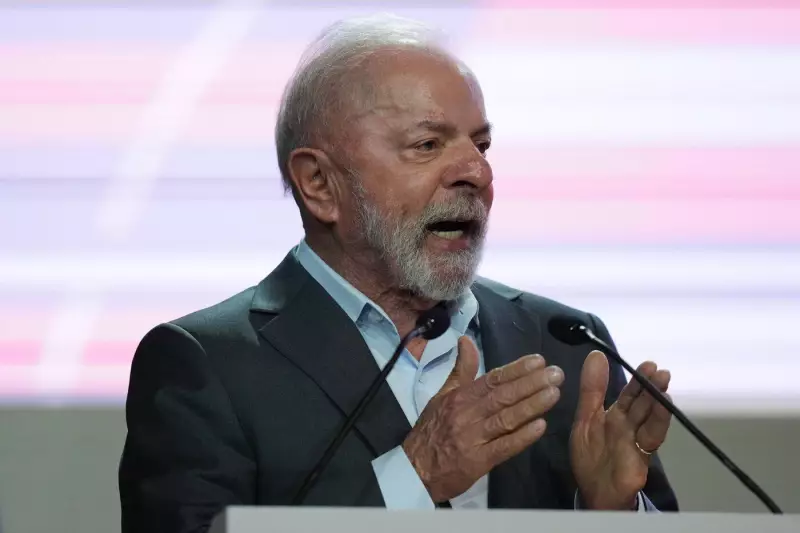
The initiative underscores a proactive approach by regional leaders who are concerned about the potential for a wider conflict. Brazilian President Luiz Inacio Lula da Silva is reportedly at the forefront of these efforts, leveraging Brazil's historical ties and diplomatic weight in the region. The push comes at a time of heightened rhetoric and military posturing, which has alarmed neighboring countries and international observers alike.
Mexico, under its current administration, is collaborating closely with Brazil in this peacemaking venture. Both nations are understood to be engaging in back-channel communications and proposing frameworks for dialogue aimed at de-escalation. Their goal is to facilitate a peaceful resolution and avert a scenario that could destabilize the entire hemisphere and impact global energy markets.

The Stakes of the Crisis
The precise triggers of the latest U.S.-Venezuela crisis are rooted in a complex history of political antagonism, economic sanctions, and allegations of external interference. The involvement of Brazil and Mexico signals a critical juncture where traditional diplomatic avenues are being pursued to find common ground. Analysts suggest that the two countries are positioning themselves as neutral mediators, offering a platform for negotiation that might be more palatable than direct talks between the adversarial capitals.
The success of this mission carries high stakes not only for Venezuela and the U.S. but for all of South and North America. A failure to calm tensions could lead to severe humanitarian consequences, increased refugee flows, and economic disruption across continents. The diplomatic manoeuvring by Brazil and Mexico is therefore being watched closely by allies in Europe, Asia, and within international bodies like the United Nations.
Pathways to De-escalation
While details of the proposed diplomatic roadmap remain confidential, sources indicate it likely involves confidence-building measures, potential pauses in certain economic sanctions, and security guarantees. The effort represents a test of multilateral diplomacy in an era often marked by unilateral actions. The involvement of these two major Latin American economies adds a powerful regional voice to the international discourse on the crisis.
The outcome of this intervention remains uncertain, but the very act of Brazil and Mexico jointly seeking a peaceful path forward is a notable development in inter-American relations. It places responsibility for regional stability squarely in the hands of regional actors, potentially reshaping how future disputes in the Americas are managed.