U.S. Allies Express Reluctance to Join Middle East Military Campaign
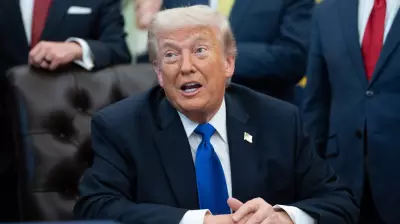
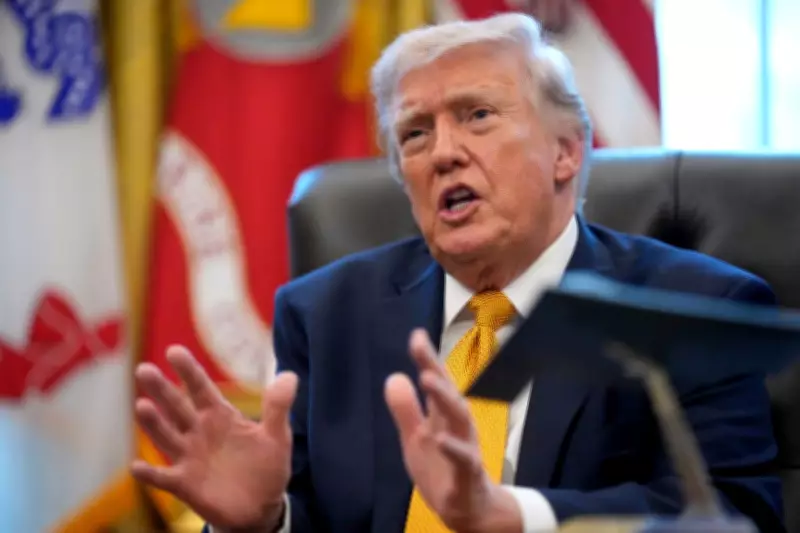
Key international partners of the United States are responding with hesitation and outright refusal to former President Donald Trump's recent request for military assistance in an escalating Middle East conflict. Multiple allied nations have privately and publicly indicated they view the situation as "not our war," creating diplomatic friction as tensions rise in the region.
Iran's Asymmetrical Warfare Disrupts Global Shipping
The geopolitical standoff centers on Iran's continued blockade of the Strait of Hormuz, a critical maritime chokepoint through which approximately 20% of the world's oil passes. Iranian forces have employed what defense analysts describe as "asymmetrical warfare" tactics, using small attack craft, mines, and coastal defense systems to effectively close the strategic waterway.
CTV News correspondent Heather Wright reports that the closure is "showing no signs of letting up," with significant implications for global energy markets and supply chains. The prolonged blockade has already contributed to surges in gasoline prices in regions like Metro Vancouver, where consumers are feeling the economic ripple effects of Middle Eastern instability.

Diplomatic Fallout and Economic Consequences
The Trump administration's appeal for allied military support comes as Canada maintains a cautious position. Defense officials indicate the country is "leaving the door open" to potential assistance but currently has "no plans to engage offensively" in the conflict zone.
This reluctance among traditional U.S. partners reflects broader concerns about being drawn into a regional war with unpredictable consequences. The economic impacts are already materializing globally:
- Oil price volatility affecting consumer fuel costs worldwide
- Disruption to shipping routes increasing transportation expenses
- Market uncertainty influencing investment decisions across sectors
Strategic Implications and Regional Stability
Military analysts note that Iran's tactics in the Strait of Hormuz represent a calculated approach to exert pressure without triggering full-scale conventional warfare. By employing irregular methods that are difficult to counter with traditional naval forces, Tehran has created a persistent threat to maritime commerce.
The international community now faces a complex dilemma: how to respond to Iranian aggression while avoiding escalation that could draw multiple nations into direct conflict. With key allies expressing reservations about military involvement, diplomatic solutions are gaining renewed attention despite the ongoing blockade's economic toll.
As the situation continues to evolve, global markets remain sensitive to developments in the region, with energy prices serving as a barometer of geopolitical tensions. The coming weeks will likely determine whether diplomatic channels can resolve the standoff or whether military options will gain more traction among reluctant international partners.