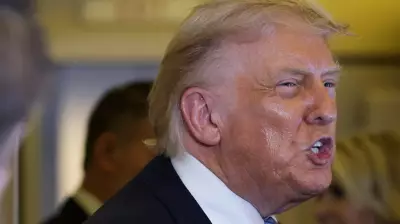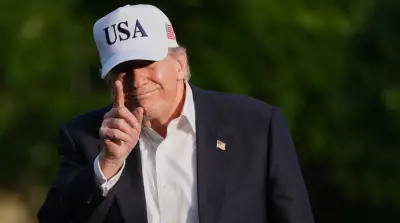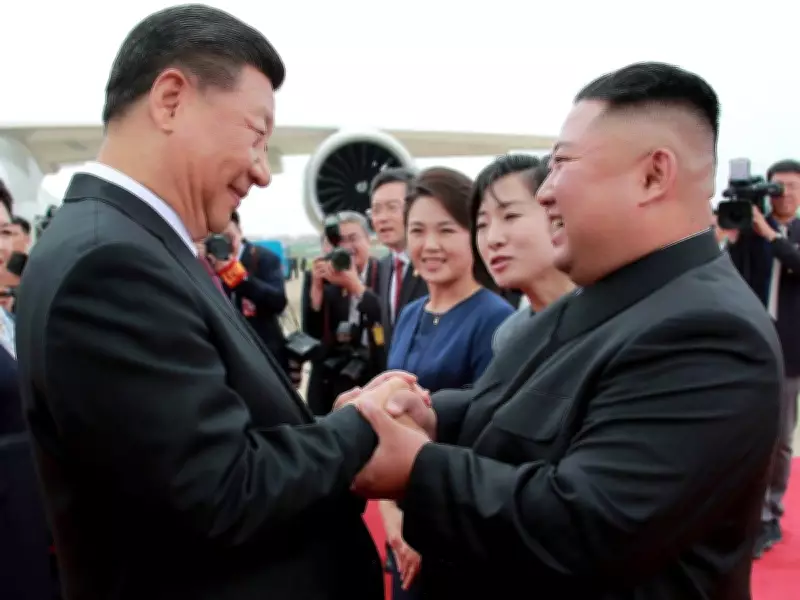
Chinese President Xi Jinping is reportedly planning a visit to North Korea for a summit with leader Kim Jong Un, following his recent back-to-back meetings with U.S. President Donald Trump and Russian President Vladimir Putin. According to a report by Yonhap News, the trip could take place as soon as next week or early June, marking Xi's first journey abroad this year and his first visit to Pyongyang in seven years.
Strategic Implications
The significance of the visit extends beyond bilateral relations. Coming after summits with North Korea's biggest foe and its wartime partner, a Pyongyang visit would allow Xi to position China as a key power capable of engaging all sides in an increasingly fractured world. Brian Wong, an assistant professor at the University of Hong Kong, noted: "In a world unsettled by Trumpian unpredictability, Xi is presenting Beijing as a central manager of multipolarity. The underlying message is clear: China will talk to all sides, absorb pressure from multiple directions, and keep its strategic options open."
China's Diplomatic Choreography
Beijing's diplomatic pull was evident over the past week, as Xi hosted Trump and Putin in quick succession. The choreography underscored Beijing's insistence on managing ties with both powers on its own terms. After two days of talks, Xi secured Trump's agreement to a framework of "constructive strategic stability," a new formula for managing great-power competition and ensuring Beijing is not blindsided by sudden U.S. moves on tariffs, sanctions, or technology controls.

With Putin, Xi hailed bilateral ties as standing at the "highest level in history" and presented a united front in criticizing the U.S. However, he stopped short of granting Russia a long-sought breakthrough: a new gas pipeline that would more than double its current exports to China. Alexander Gabuev, director of the Carnegie Russia Eurasia Center, remarked: "China has built a lot of leverage. It really can dictate the terms, it doesn't need any deal at any costs."
Limits of Leverage
A Pyongyang trip and meeting with Kim Jong Un would remind both Trump and Putin of Beijing's influence over the Kim regime. However, that leverage has limits. Despite years of Chinese pressure, North Korea has accelerated its nuclear program and deepened military ties with Russia since its invasion of Ukraine. The divide is sharpest on the nuclear question. A White House fact sheet said Trump and Xi "confirmed their shared goal to denuclearize North Korea," but this language was absent from Beijing's own readout of their talks.
When Kim visited Xi in Beijing on the sidelines of a military parade last September, official readouts again made no mention of denuclearization. This departure from previous summit statements has fueled speculation that Beijing has tacitly accepted North Korea as a de facto nuclear power.
Broader Context
For all its strategic leverage, Beijing has so far refrained from using its influence to play a decisive role in ending wars in the Middle East or Ukraine. In the case of Iran, since U.S. and Israeli attacks in late February, Beijing has sought to balance strategic ties with Tehran against its vast Gulf economic interests, hosting Iran's foreign minister just days before Trump arrived.
Chinese Foreign Ministry spokesman Guo Jiakun said he had no information to share when asked about Xi's reported plan to visit North Korea at a regular briefing on Thursday.