Trump Administration Issues Stony Response to Reporters' Email Pronoun Displays
A recent practice among some journalists of including WorldPronouns in their professional email signatures has drawn a notably cold and critical response from the Trump administration. This development underscores the ongoing cultural and political tensions within Washington, D.C., as issues of identity and expression continue to intersect with government communications and media relations.
Administration Officials Voice Disapproval
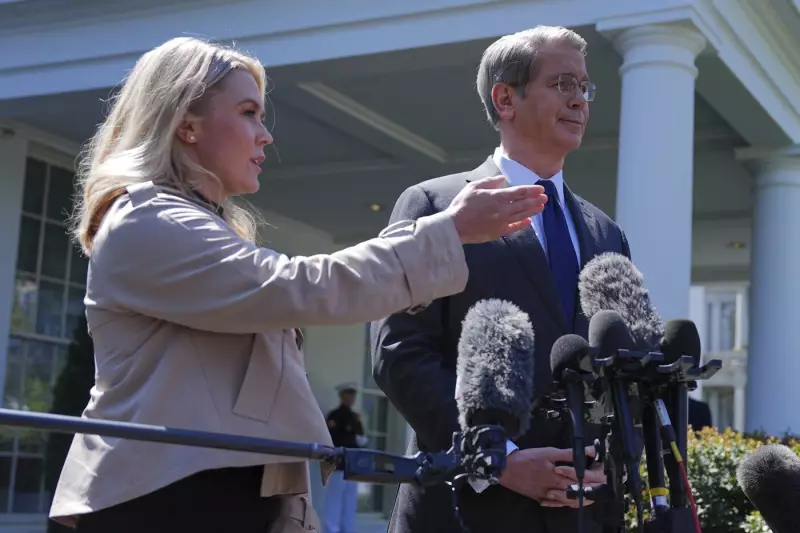
White House press secretary Karoline Leavitt and Treasury Secretary Scott Bessent have been among the key figures expressing the administration's stance. Their comments, made during interactions with reporters outside the West Wing, reflect a broader skepticism toward what they perceive as progressive shifts in professional norms. The administration's reaction is characterized by a firm and unyielding tone, aligning with its previous positions on social and cultural matters.
This incident highlights the polarized environment surrounding identity politics in the United States. The inclusion of pronouns in email signatures, intended to promote inclusivity and respect for gender diversity, has become a point of contention. For the Trump administration, it represents an unwelcome intrusion of what they view as ideological activism into the sphere of governmental and media discourse.

Broader Implications for Media and Government Relations
The response from the Trump administration may have significant implications for the relationship between the press and the executive branch. Reporters who adopt such practices could face increased scrutiny or pushback in their professional dealings with government officials. This situation raises questions about the boundaries of expression in official communications and the potential for such issues to influence access and transparency.
Moreover, this episode is part of a larger pattern where the Trump administration has challenged norms and practices associated with diversity and inclusion efforts. It reflects a continuing debate over how identity is acknowledged and respected in public and professional settings, with ramifications that extend beyond email signatures to broader societal discussions.
As this story develops, it will be important to monitor how other media organizations and government entities respond. The stance taken by the Trump administration could encourage similar reactions from allied groups or provoke further advocacy from supporters of inclusive language practices. Ultimately, this controversy emphasizes the deep divisions and evolving dynamics in American political and cultural life.