Vancouver Mayor Ken Sim has declared his intention to employ 'all tools' at his disposal to block the establishment of a new overdose prevention site in the city. The announcement comes amid ongoing discussions about harm reduction strategies and public safety in the Downtown Eastside neighborhood.
Mayor's Stance on Overdose Prevention Sites
During a press conference on Tuesday, Sim emphasized his commitment to preventing the site from opening, citing concerns about community impact and the need for alternative approaches to addiction treatment. 'We must explore every avenue to ensure the safety and well-being of all Vancouver residents,' Sim stated. 'This includes using zoning bylaws, public consultations, and any legal measures available to us.'
Background of the Controversy
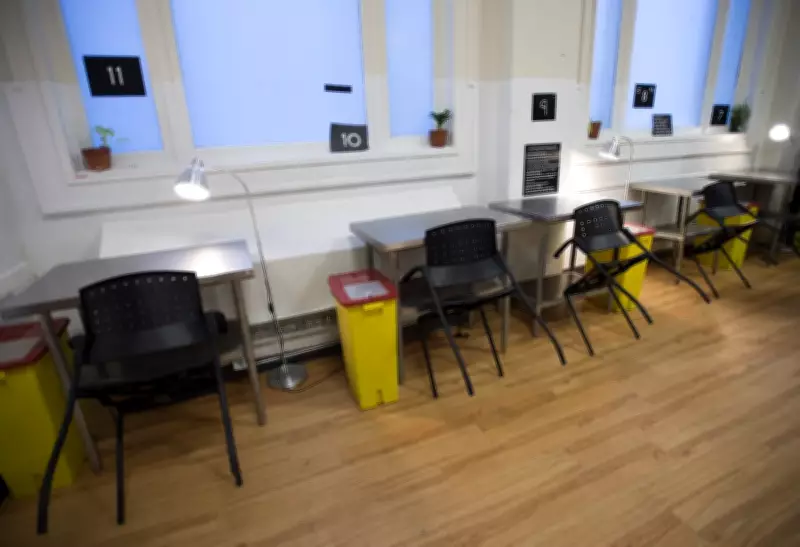
The proposed overdose prevention site, which would provide supervised drug consumption services, has been a point of contention for years. Proponents argue that such facilities save lives by reducing overdose deaths and connecting users with treatment services. Critics, including Sim, contend that they concentrate drug activity in already vulnerable neighborhoods and fail to address the root causes of addiction.

The Molson Overdose Prevention Site, located in the Downtown Eastside, has been operational since 2020 and has served as a model for other facilities. However, the new proposal has faced heightened opposition from local businesses and residents who report increased crime and public disorder.
Legal and Political Implications
Sim's vow to use 'all tools' raises questions about the limits of municipal authority in health-related matters. The province of British Columbia has previously supported overdose prevention sites as part of its public health strategy, creating potential jurisdictional conflicts. Legal experts suggest that the city may face challenges if it attempts to override provincial health directives.
Community groups have responded with mixed reactions. Some applaud Sim's determination to prioritize neighborhood safety, while others accuse him of undermining evidence-based harm reduction. 'Blocking these sites will only lead to more deaths,' said Dr. Emily Tran, a public health researcher at the University of British Columbia. 'We need to invest in comprehensive solutions, not political grandstanding.'
Next Steps
The Vancouver City Council is expected to debate the issue in upcoming sessions. Meanwhile, Sim has directed city staff to review all regulatory options, including potential amendments to zoning laws and licensing requirements. The outcome of this dispute could set a precedent for how Canadian cities handle overdose prevention sites in the future.
As the debate continues, the human toll of the opioid crisis remains stark. In 2025, British Columbia recorded over 2,500 overdose deaths, underscoring the urgency of effective interventions. Whether Sim's approach will lead to alternative solutions or further polarization remains to be seen.