A Vancouver councillor is calling on the city to restore sex-worker safety supports after advocates warned that cuts to key staff positions and disappearing drop-in spaces are leaving fewer places to turn as the FIFA World Cup approaches.
The motion, put forward by Coun. Pete Fry and set to be discussed later this month by the city's finance and services committee, would see council hear directly from sex workers, advocates and community service providers about growing safety concerns.
"I don't think staff and council are aware of what's at stake here," Fry said on Thursday.

The proposal comes weeks after advocates raised alarms about the city's decision to cut one of two dedicated sex-worker safety planner positions as part of broader restructuring and cost-cutting measures under Mayor Ken Sim and the ABC-majority council, which has directed staff to find cost efficiencies and has resulted in job losses across multiple departments.
The sex-worker safety planner roles were established in 2013, making Vancouver one of the first cities in North America to set up positions focused on sex-worker safety. The program was a result of the 2012 Missing Women Commission of Inquiry report, which examined systemic failures linked to the disappearance and murders of women, many of whom were involved in sex work. The report recommended the city create and fund two community-based liaison positions independent of police.
"The job cut may have seemed like an easy budget reduction, but I think that council will care about the cost once they hear directly about its impact," said Fry.
The City of Vancouver said the duties of the cut position have now spread across several departments, led by its social policy and projects division, as part of broader organizational changes related to community and gender safety.
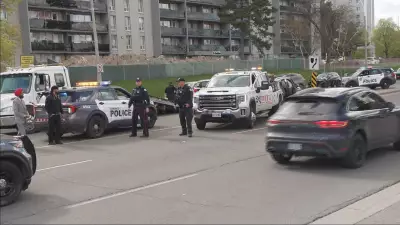
Fry's motion states there have been growing reports of violence linked to sex work in Vancouver, and that "there are reasonable and credible concerns about increased risk of violence and harm to sex workers around FIFA events, driven by heightened policing, displacement, venue-area controlled zones and the erosion or loss of safety supports and peer infrastructure." It also points to past Olympics Games, when sex workers reported increased police pressure, and notes Vancouver is preparing for its largest police deployment ever for the 2026 World Cup.
This week, Pivot Legal Society released a resource outlining Canada's sex-work laws, warning workers they should expect "increased scrutiny, especially in heavily surveilled areas," during this summer's tournament. "The city has been engaged in a major anti-trafficking campaign in anticipation of FIFA that will increase the overall policing of sex workers."