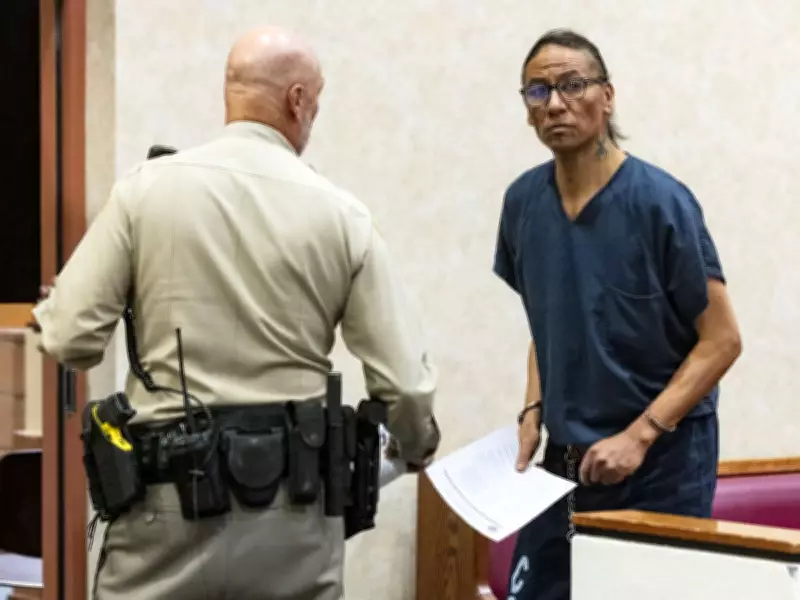
A recent case in Nevada has highlighted a stark contrast between American and Canadian justice systems when it comes to sentencing serial rapists. Nathan Chasing Horse, the former Dances With Wolves actor, was sentenced to life in prison with no possibility of parole for 37 years for preying on Indigenous women and girls. In Canada, a similar offender would likely be free in five years.
The Chasing Horse Case
In a Nevada courtroom, Judge Jessica Peterson sentenced the 50-year-old Chasing Horse to life in prison, stating that he used his reputation as a traditional healer to exploit girls as young as 13 for personal gratification. The judge declared, "This court is going to make sure that you never have the opportunity to do that again." The gallery erupted in applause.
Chasing Horse's case drew Canadian attention because some of his alleged victims were Canadian. He is accused of keeping a harem of wives, including an Alberta minor, and having sex with an underaged B.C. girl sent to him for healing. At his 2023 arrest in Las Vegas, he had active warrants in both B.C. and Alberta.

Canadian Sentencing Disparity
If tried in Canada, Chasing Horse would likely face a much lighter sentence. In 2022, a Saskatchewan court handled a nearly identical case. Cecil Wolfe, 63, also a spiritual healer, was convicted of sexually assaulting 12 women over nine years, claiming it removed "bad medicine." He received eight years in prison, with parole possible after five.
Justice John Morrall explicitly warned victims that the sentence would seem unjust: "The sentence I will impose will seem wholly inadequate for the women. The violations they have experienced will remain with them for the rest of their lives."
One factor reducing Wolfe's sentence was his Indigenous identity, which required the court to consider how his "marginalized" background might have reduced his culpability. Had Chasing Horse been tried in Canada, he would have received similar consideration, following precedent for leniency even in cases involving underage victims.
This disparity raises questions about the Canadian justice system's approach to sexual offenders, particularly those from Indigenous communities, and whether it adequately protects victims.