Iran and the United States are locked in a stalemate as President Donald Trump gears up for a pivotal trip to China, according to reports from the Associated Press. The impasse comes amid heightened tensions following the killing of Iran's late Supreme Leader Ayatollah Ali Khamenei in U.S. and Israeli strikes on February 28.
Escalating Tensions
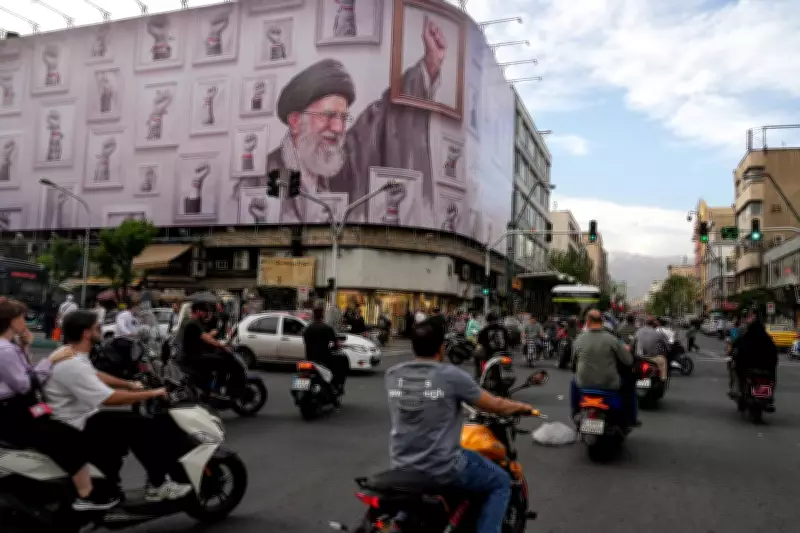
In downtown Tehran, a billboard depicting Khamenei with a raised fist among supporters' fists underscores the nation's defiance. The image, captured on May 6, 2026, reflects the deep-seated anger and resolve within Iran. The U.S. and Israel have faced sharp condemnation from Tehran, which has vowed retaliation for the attack that killed its top leader.
The stalemate poses a significant challenge for Trump's upcoming China visit, where diplomatic negotiations and global security are expected to dominate discussions. Analysts suggest that the impasse could hinder progress on broader international issues, including trade and nuclear non-proliferation.

Reactions and Ramifications
Iranian officials have reiterated their stance, demanding accountability and an end to what they describe as U.S. aggression. Meanwhile, Washington has maintained its position, citing national security interests. The lack of progress has left both nations at a crossroads, with potential implications for Middle East stability.
Experts warn that the standoff could escalate further if diplomatic channels remain blocked. The situation remains fluid, with world leaders closely monitoring developments ahead of Trump's departure.