U.S. Lawmaker Proposes Bill to Counter Canada's Online Streaming Act
In a move that highlights growing international tensions over digital governance, U.S. Congressman Lloyd Smucker, a Republican from Pennsylvania, has introduced legislation specifically targeting Canada's Online Streaming Act. The bill, unveiled on March 20, 2026, aims to address what Smucker describes as "unfair regulatory overreach" by the Canadian government, which could impact American streaming services and content creators operating north of the border.
Details of the Proposed Legislation
The proposed U.S. bill seeks to establish safeguards for American digital platforms against foreign regulations that may impose undue burdens or restrictions. While the full text of the legislation has not been released publicly, sources indicate it includes provisions for retaliatory measures if Canadian policies are deemed to disadvantage U.S. companies. This development comes as Canada's Online Streaming Act, passed in 2023, requires streaming services like Netflix and Disney+ to contribute to Canadian content production and promote local programming.
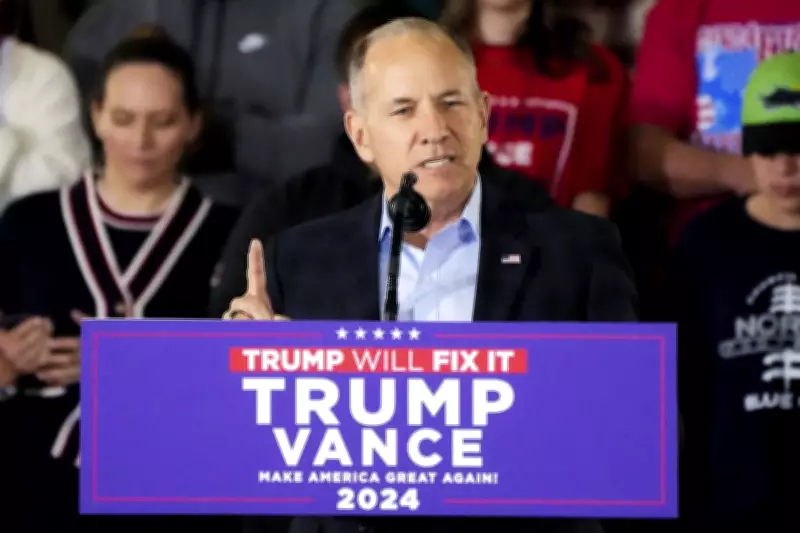
Congressman Smucker, speaking at a recent event, emphasized the need to protect American interests in the global digital economy. "We cannot stand by while other nations enact policies that threaten our technological leadership and economic competitiveness," he stated. The bill has garnered initial support from some industry groups, who argue that Canada's regulations could set a precedent for other countries to follow, potentially fragmenting the internet with varying national rules.

Potential Implications for Cross-Border Relations
Experts warn that this legislative move could escalate diplomatic friction between the United States and Canada, two traditionally close allies. The Online Streaming Act is part of Canada's broader strategy to support its cultural sector in the digital age, but critics, including Smucker, claim it may violate trade agreements and stifle innovation. If passed, the U.S. bill could lead to disputes under international frameworks like the United States-Mexico-Canada Agreement (USMCA), complicating bilateral trade and cooperation.
Industry analysts note that the conflict reflects a larger trend of nations grappling with how to regulate online platforms without hindering global connectivity. "This isn't just about streaming services; it's about who gets to set the rules for the digital world," said one policy expert. The outcome of this legislative push could influence similar debates in Europe and Asia, where governments are also considering stricter regulations for tech giants.
Broader Context and Reactions
The introduction of Smucker's bill coincides with other news highlighting cross-border issues, such as recent RCMP charges related to drug smuggling into Ontario and environmental concerns in the Fraser Valley. However, the focus on digital policy underscores the evolving nature of international disputes in the 21st century. Canadian officials have yet to respond formally, but stakeholders in the entertainment and tech sectors are closely monitoring the situation, fearing potential retaliatory actions that could affect content availability and investment.
As the debate unfolds, observers stress the importance of balanced approaches that respect national sovereignty while fostering global digital harmony. The next steps will involve committee reviews in the U.S. Congress and possible negotiations between the two countries to find common ground. This development serves as a reminder of the intricate interplay between technology, regulation, and international relations in an increasingly interconnected world.