UN Rights Chief Demands Swift Conclusion of US Probe into Fatal Iran School Strike
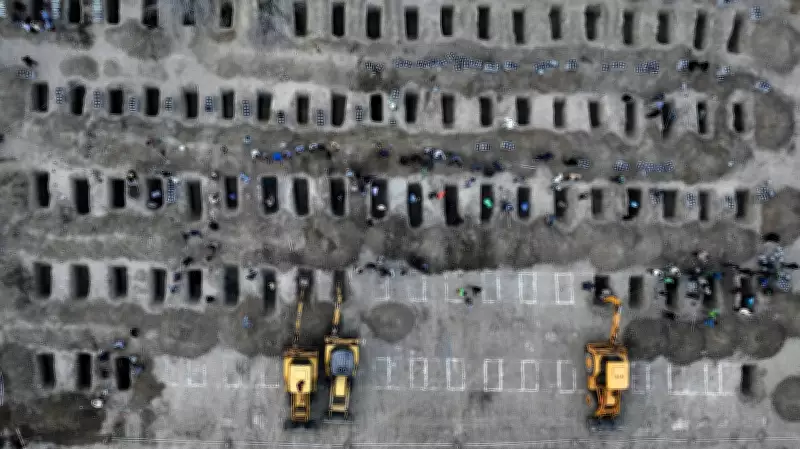
In a tense emergency debate at the UN Human Rights Council in Geneva on Friday, UN Human Rights Chief Volker Turk urged Washington to promptly conclude its investigation into a fatal airstrike on a primary school in Iran. The session, called by Iran, focused on the attack on the Shajareh Tayyebeh School, which Tehran claims killed over 175 children and teachers on the first day of a nearly month-long regional war that began with joint U.S.-Israeli strikes.
Investigations and International Reactions
Reuters initially reported on March 5 that U.S. military investigators believed U.S. forces were likely responsible for the strike, though no final conclusion has been reached. The Pentagon has since elevated the probe, and Israel has also launched its own investigation. Turk, speaking via video link after meetings with U.S. officials in Washington, emphasized the need for justice, stating, "There must be justice for the terrible harm done."
Israel's diplomatic mission in Geneva criticized Iran for convening the debate, calling it a "charade and an abuse of the UN Human Rights Council" and highlighting Iran's own attacks on civilians. The U.S. mission referred questions to the State Department, which did not immediately respond, while both the U.S. and Israel were absent from the meeting, having disengaged from the council over allegations of anti-Israel bias.

Global Condemnation and Calls for Accountability
Iran's Foreign Minister Abbas Araqchi told the council via video link that "This atrocity cannot be justified, cannot be concealed, and must not be met with silence and indifference." Pakistan's ambassador Bilal Ahmad described the deaths as unconscionable, and China's ambassador Jia Guide expressed deep shock, labeling the incident a "breach of the bottom line of human morality" and a violation of international humanitarian law.
Other countries, including Britain, voiced outrage while also pointing to Iran's human rights violations during mass protests in January. Brazil's ambassador Tovar da Silva Nunes lamented the lack of a holistic debate on violations in the regional war, echoing concerns about "selective outrage" by rights groups.
Personal Appeals and Broader Context
Mohaddeseh Fallahat, a bereaved mother, addressed the 47-member council, calling for justice "so that the world knows that children’s lives are not worthless." The debate also touched on Iran's retaliatory strikes since the war began on February 28, including attacks on Israel, U.S. bases, and Gulf states, which were discussed earlier in the week. Turk urged all sides to halt further escalation and return to negotiations as the only path to lasting peace.