U.K. Government to Disclose Mandelson Ambassador Appointment Files in Epstein Scandal Fallout
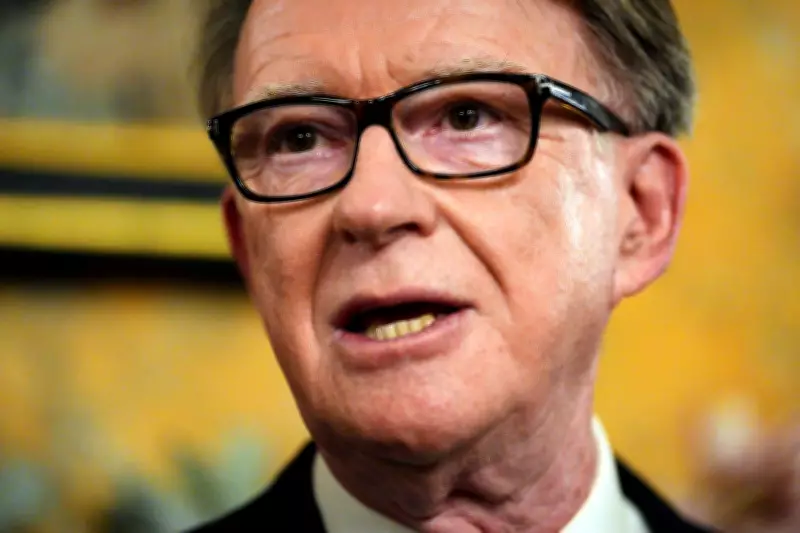
The United Kingdom government has announced it will release official files pertaining to the appointment of Peter Mandelson as Britain's Ambassador to the United States. This decision comes amid ongoing scrutiny and fallout from the Jeffrey Epstein scandal, which has prompted renewed calls for transparency in government appointments and diplomatic postings.
Peter Mandelson, a prominent political figure and former Labour Party minister, served as the U.K. Ambassador to the U.S. from 2025. His tenure in Washington was marked by high-profile engagements and diplomatic efforts, but his appointment has since been drawn into the broader context of the Epstein affair, which has implicated various political and elite circles internationally.
Increased Pressure for Government Transparency
The release of these documents is seen as a response to mounting pressure from the public and media for greater accountability. The Epstein scandal, involving allegations of sex trafficking and abuse, has led to widespread investigations and demands for clarity on connections between public officials and the disgraced financier. By disclosing the files, the U.K. government aims to address concerns and demonstrate a commitment to openness in its diplomatic processes.

This move is part of a larger trend where governments are being compelled to reassess and reveal information related to appointments that may have ties to controversial figures. It underscores the importance of ethical standards and due diligence in selecting ambassadors, who represent their countries on the global stage.
Implications for Diplomatic Relations and Public Trust
The disclosure could have significant implications for U.K.-U.S. relations and public trust in governmental institutions. While Mandelson has not been directly accused of wrongdoing in relation to Epstein, the association through these files may influence perceptions of his tenure and the broader diplomatic corps. Experts suggest that such transparency efforts are crucial for maintaining credibility and fostering trust in democratic systems, especially in an era where scandals can quickly erode public confidence.
As the files are made public, analysts will be closely examining the details to understand the decision-making process behind Mandelson's appointment and any potential links to the Epstein network. This development highlights the ongoing challenges governments face in balancing privacy, security, and the public's right to know in the aftermath of high-profile scandals.