Kinsella's Predictions on Trump's Iran War Prove Accurate as Conflict Drags On
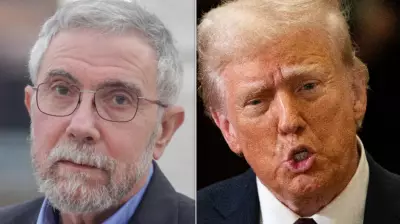
In a striking validation of political foresight, columnist Warren Kinsella's predictions about the Iran war's rapid descent into unpopularity are materializing with remarkable precision. A month after outlining ten key reasons why the conflict would face swift public rejection, current developments confirm his analysis, painting a grim picture for the Trump administration.
Leadership and Polling Show Significant Declines
Kinsella accurately forecast that both President Donald Trump and Israeli Prime Minister Benjamin Netanyahu would see their popularity diminish as the war progressed. Trump's approval ratings have indeed plummeted to historic lows, with recent polls showing him at just 33% support—a record low for his presidency. Meanwhile, Netanyahu's coalition would now fail to secure a majority if elections were held today, despite initial strong support from Israelis.
The polling data reveals a dramatic shift in public sentiment. In the United States, nearly 70% of Americans now disapprove or strongly disapprove of the war according to CNN polling, with opposition growing steadily. In Israel, while support remains higher at nearly 70%, this represents a substantial drop from the over 82% who initially backed the conflict.

Failed Objectives and Political Consequences
The war's stated objective of regime change in Iran has proven elusive, with the Islamic Revolutionary Guard Corps maintaining firm control over the country. Instead of weakening Iran's government, the conflict has strengthened its position regionally while disrupting global trade through the Strait of Hormuz.
Trump's broken promise to avoid starting wars has significant political ramifications. The Republican Party faces probable losses in the upcoming midterm elections, with control of the House of Representatives almost certain to change hands and the Senate majority highly vulnerable. Prominent MAGA figures including Marjorie Taylor Greene, Tucker Carlson, and Megyn Kelly have publicly expressed outrage over the conflict.
Casualties Mount and Strategic Assumptions Fail
The human cost continues to escalate with at least 15 U.S. troops killed and 520 injured since February 28, while Iranian casualties exceed 3,500 dead and 24,000 injured. Pre-war intelligence suggesting Iranians would rise up against their government has proven incorrect, with the diaspora instead becoming increasingly divided over the conflict.
The Islamic Revolutionary Guard Corps, with approximately 200,000 members, remains firmly entrenched and has not been meaningfully weakened despite a month of conflict. This reality contradicts initial expectations of quick military success.
Midterm Implications and Political Fallout
As Toronto Sun colleague Brian Lilley predicted on Kinsella's podcast, the timing of the midterm elections compounds Trump's political challenges. With the war showing no signs of resolution, it threatens to render Trump a lame-duck president following November's elections.
While MAGA supporters remain largely loyal—with over 90% of Trump-first Republicans supporting the Iran strikes compared to 72% of party-first Republicans—this represents the administration's only significant area of continued support.
The Hard Truth of War
Kinsella's central thesis that wars are easy to start but difficult to end has been painfully validated. The conflict has expanded beyond initial expectations, drawing in surrounding Arab states and creating economic disruptions worldwide. What began as a targeted military action has evolved into a complex geopolitical quagmire with no clear exit strategy.
The unfolding situation demonstrates the accuracy of Kinsella's month-old predictions and underscores the challenges facing an administration that anticipated quick victory but now confronts growing domestic opposition and international complications.