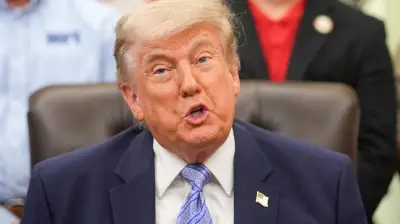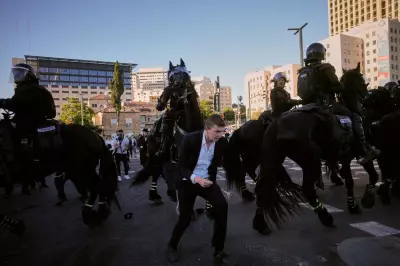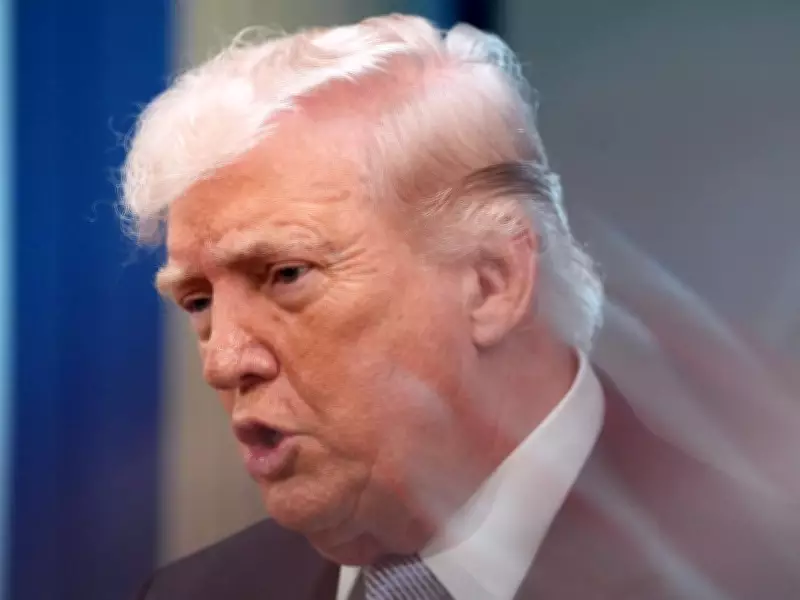
President Donald Trump's decision to engage in a war against Iran has ignited significant bipartisan criticism, with polls indicating widespread unpopularity among Democrats, independents, and even some Republicans. Many feel betrayed, as Trump campaigned vigorously against "endless wars" and pledged not to initiate new conflicts. This controversy underscores deep divisions over foreign policy and presidential promises in a volatile geopolitical landscape.
Reasons for Skepticism on Trump's Anti-War Rhetoric
Supporters of Trump should have approached his criticism of endless wars with caution for several compelling reasons. First, the persistence of endless wars is often driven by the existence of endless enemies, who actively oppose U.S. interests and have a say in global conflicts. Second, one could argue that the war against Iran is not entirely new, given that Iranian leaders have vocally called for America's destruction for nearly five decades. Third, presidential decisions are frequently shaped by unforeseen events, requiring adaptability that may contradict earlier campaign rhetoric.
Historical Precedents of Presidential War Decisions
History offers numerous examples of presidents shifting their stance on war. Woodrow Wilson, for instance, campaigned in 1914 to keep America out of World War I but ultimately led the nation into the conflict. Similarly, before the U.S. entered World War II, an anti-war movement called America First gained traction, with figures like Gerald R. Ford and John F. Kennedy expressing support. The attack on Pearl Harbor dramatically altered the course, highlighting how external events can force presidential action.

In the case of Iran, intelligence suggested the regime was on the verge of acquiring nuclear capabilities, with its own negotiators admitting to having enough enriched uranium for multiple bombs. Trump faced a critical choice: follow the path of previous presidents by taking no action or intervene decisively. He opted for the latter, choosing to confront the threat head-on rather than delay it.
Opposition Rooted in Antipathy Toward Trump
In a Wall Street Journal op-ed, prominent lawyer David Boies criticized fellow Democrats for allowing their animosity toward Trump to cloud their judgment on the war. Boies argued that if Trump had not acted, his successor would have faced an even more perilous situation. He emphasized that opposition based solely on dislike for Trump is detrimental to national interests, urging a focus on the merits of the decision rather than personal biases.
Critics of the war accuse Trump of lying about the intelligence indicating an imminent threat from Iran and failing to consult or gain support from allies. However, this scrutiny mirrors past controversies, such as the Iraq War under President George W. Bush. Initially, 72% of Americans supported that conflict, and Bush secured resolutions from both the House and Senate, along with a coalition of 48 nations. Despite these efforts, the war later became widely unpopular, with many labeling Bush a liar and war criminal.
Comparing Trump and Bush's Approaches
Trump's approach to the Iran war differed significantly from Bush's pre-war efforts. Bush formed a "coalition of the willing," sought bipartisan buy-in, and obtained a U.N. resolution, yet still faced fierce criticism. In contrast, Trump launched the war without similar consultations, yet he faces comparable levels of excoriation. This raises questions about whether the opposition is truly about procedural flaws or deeper political animosities.
The Moral Imperative Against Iran's Regime
The Iranian regime's actions further justify the war from a moral standpoint. During the Iran-Iraq war, it used children to clear minefields, resulting in tens of thousands of young deaths—a clear war crime. Currently, Iran is mobilizing boys as young as 12 to fight against the U.S. and Israel and forcing citizens to form human shields in front of military targets, both of which constitute war crimes. These atrocities demonstrate the regime's disregard for human life, underscoring why it must not be allowed to acquire nuclear weapons.

Trump's call for the civilized world to join the fight against Iran is framed as a necessary step to prevent a fanatical regime from obtaining devastating weaponry. As debates over endless wars continue, this conflict highlights the complex interplay between campaign promises, presidential decision-making, and global security challenges.