Trump's Casual 'I Guess' on Iran Retaliation Ignites Widespread Alarm
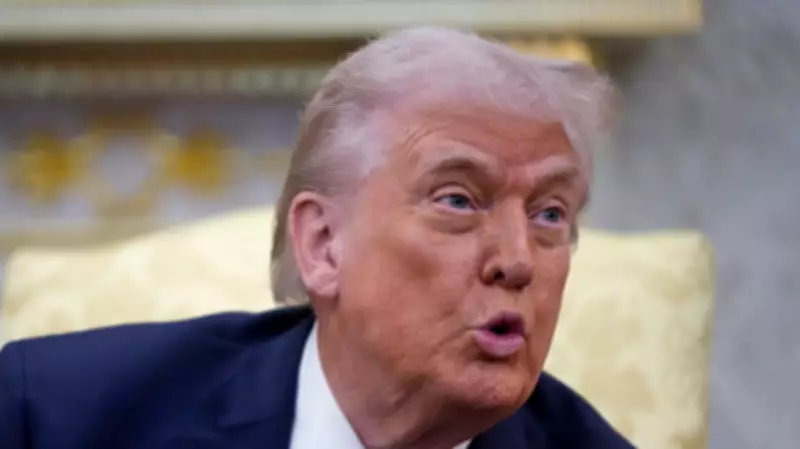
In a recent interview with Time magazine, President Donald Trump offered one of the least reassuring statements possible when questioned about potential Iranian retaliation against the United States following U.S. airstrikes in the Middle Eastern nation. When asked if Americans should be worried, Trump responded with a simple, "I guess," before elaborating in a manner that has since sparked intense controversy and concern.
A President's Unsettling Remarks on War and Casualties
The president continued, "But I think they're worried about that all the time. We think about it all the time. We plan for it. But yeah, you know, we expect some things. Like I said, some people will die. When you go to war, some people will die." This blunt acknowledgment of potential American deaths, coupled with the vague "I guess" preface, has been met with widespread dismay and criticism from observers and political figures alike.
The Trump administration's justification for the initial strikes has been inconsistent throughout the week, adding to the unease. White House press secretary Karoline Leavitt stated on Wednesday that the decision was based on the president having "a feeling, based on fact," a rationale that has further fueled doubts about the strategic clarity behind the military actions.

Social Media Erupts with Fury and Disbelief
The reactions on social media platforms were swift and scathing. Many users expressed shock and anger at what they perceived as a cavalier attitude from the commander-in-chief during a tense international conflict.
Political commentator Alex Jordan sarcastically noted, "they're calling it the most reassuring wartime message to the American people of all time," highlighting the absurdity of the situation.
Senator Chris Murphy of Connecticut did not mince words, tweeting, "'I guess'. You've got to be kidding me. We have totally unserious, completely incompetent people taking us into mindless deadly war."
Former Obama advisor Dan Pfeiffer criticized the messaging, stating, "'Shit happens' is not a great message from a President during war," echoing the sentiment that Trump's remarks were dangerously flippant.
Concerns Over Domestic Threats and Lack of Strategy
Analysts pointed out that Trump's comments specifically referenced the possibility of Americans dying "at home—in the US—as the result of what he again calls a 'war' in Iran." CNN's Zachary Cohen emphasized, "A war he's still yet to articulate a clear reason for initiating nor a plan for ending," underscoring the strategic vacuum surrounding the conflict.
The backlash extended to comparisons with past presidents. User Tim remarked, "If Biden said this they'd be wrapping up the impeachment vote in the House right about now," suggesting a double standard in political accountability.
Others called for drastic measures, with Dylan Williams advocating for the 25th Amendment, tweeting, "No question," implying that Trump's fitness for office is in serious doubt.
A Stark Departure from Presidential Norms
Commentator Cassandra contrasted Trump's approach with historical precedents, noting, "Literally any other President in history would talk about how his most important job is protecting the American people, how he is directing federal agencies to mitigate threats, reassuring the nation that he has their safety in mind. This guy says, 'You might die, shit happens.'"
This sentiment was echoed by Mike Prysner, who warned, "Really great quote to have on record when you're likely the top target for an Iranian attack on US soil," highlighting the potential security implications of such rhetoric.
From Angry Staffer to countless others, the overarching question remains: "The fuck kind of answer is this?"—a query that encapsulates the bewilderment and alarm permeating public discourse in the wake of Trump's remarks.
As tensions with Iran simmer, the president's words have not only failed to assuage fears but have actively exacerbated them, leaving many Americans questioning the leadership and foresight guiding the nation through a precarious geopolitical landscape.