Trump Calls for Swift House Action to Resolve Partial Government Shutdown
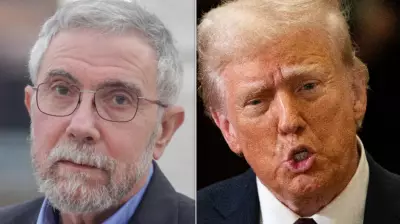
Former President Donald Trump has publicly urged the House of Representatives to move quickly in voting to end the ongoing partial government shutdown. This call comes as Speaker of the House Mike Johnson, a Republican from Louisiana, is actively working with his party to advance a federal funding package aimed at preventing a prolonged disruption.
Speaker Johnson Leads Efforts Amid Political Pressure
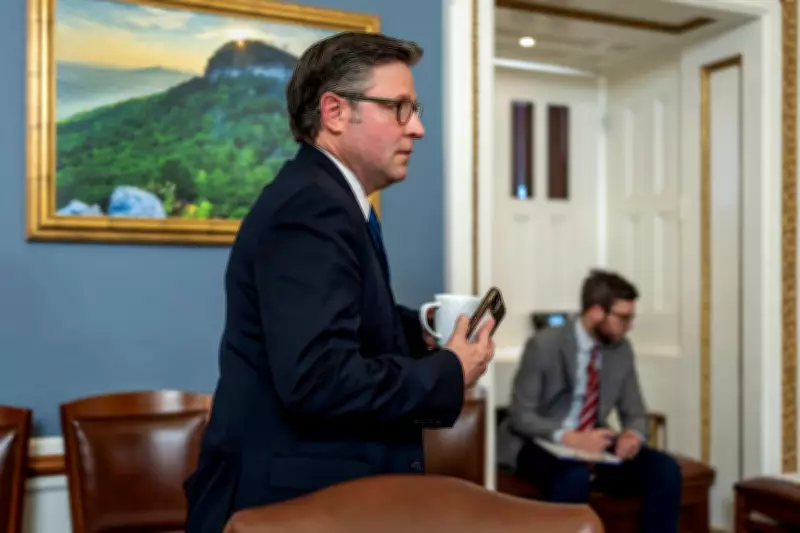
Speaker Mike Johnson was seen walking through the House Rules Committee hearing room on Monday, February 2, 2026, to meet with Republicans on the panel. The meeting focused on strategies to push forward a crucial funding bill that would keep government operations running smoothly. The partial shutdown has already caused significant uncertainty and operational challenges across various federal agencies, highlighting the urgency of the situation.
Trump's intervention adds a notable layer of political influence, as he remains a key figure in the Republican Party. His statement emphasizes the need for immediate legislative action to restore full government functionality and avoid further economic or social impacts.

Background and Implications of the Shutdown
The partial government shutdown stems from disagreements over federal spending priorities, a common issue in U.S. politics that often leads to temporary closures of non-essential services. In this instance, the shutdown affects specific departments and programs, causing delays in services and potential financial strain for government employees and contractors.
Experts warn that prolonged shutdowns can have ripple effects on the economy, including reduced consumer confidence and disruptions in public services. The current efforts by Speaker Johnson and his colleagues are critical to finding a bipartisan solution that addresses funding gaps while maintaining fiscal responsibility.
As the debate continues, all eyes are on the House to see if they can reach a consensus and pass the necessary legislation before the shutdown extends further. The outcome of this vote could set a precedent for how future funding disputes are handled in a politically divided environment.