Trump Issues Stark Warning to Iran Over Qatar Strikes
In a dramatic escalation of tensions in the Middle East, former U.S. President Donald Trump has threatened to "massively blow up" a key Iranian gas field if Iran conducts further strikes against Qatar. This warning comes amidst a backdrop of heightened regional conflict, including overnight Iranian attacks launched in retaliation for the killing of a security chief.
Context of Rising Regional Tensions
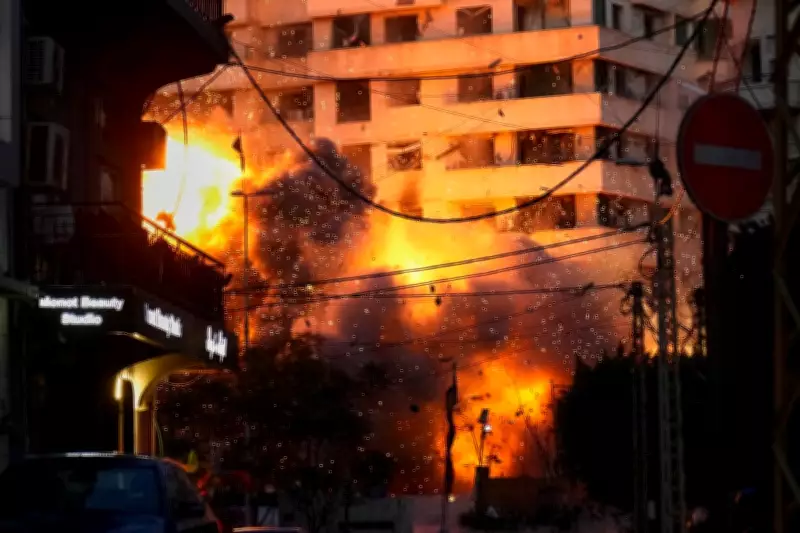
The threat was issued as the situation in Lebanon deteriorates with intensifying Israeli strikes, and as the U.S. Senate questions Trump's intelligence officials over the ongoing war with Iran. Military experts have described coordinated attacks on major Iranian gas fields as a "double-edged sword," potentially crippling Iran's economy while risking severe retaliation.
A military analyst commented on the recent death of Iran's intelligence minister, stating, "It's a huge blow to the Iranian regime." This event has further inflamed an already volatile situation, with Iran demonstrating its willingness to retaliate against perceived aggressors.

The Strategic Importance of Iranian Gas Fields
Iran possesses some of the world's largest natural gas reserves, with its gas fields representing critical infrastructure for both domestic energy needs and export revenue. Targeting these facilities would constitute a significant economic and strategic blow, potentially disrupting global energy markets.
The threat specifically references Qatar, a key U.S. ally in the region that hosts a major American military base. Previous Iranian strikes against Qatar have prompted this severe warning from the former president, who maintains influence in certain political circles.
Broader Implications for Middle East Stability
This development occurs alongside other regional news, including Ottawa's decision not to reimburse police for costs associated with Israel-Palestinian protests, and critics urging the Canadian government to help Inuit communities resist Chinese surveillance and economic dependence.
The international community watches with concern as these threats could potentially trigger a wider conflict, affecting global energy security and diplomatic relations across multiple continents.