Trump Escalates Conflict with Reporter Over Iran Rescue Disclosure
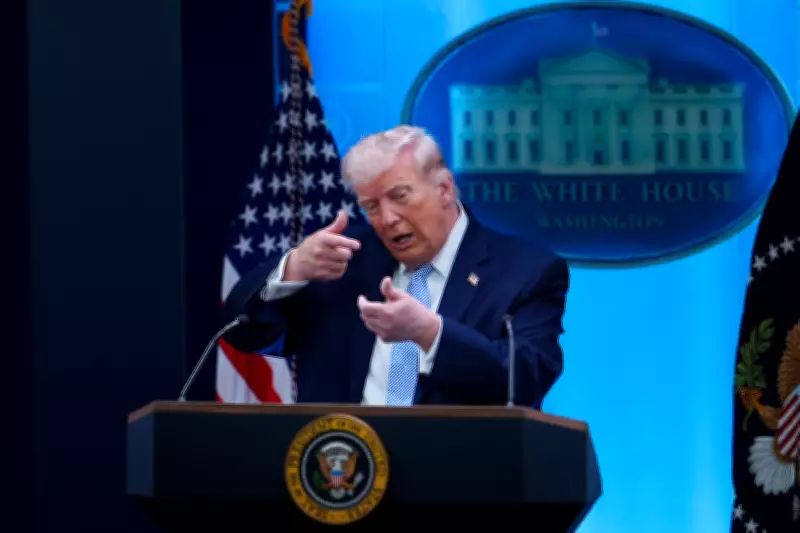
In a dramatic escalation of tensions surrounding the ongoing Middle East conflict, U.S. President Donald Trump has threatened jail time for a reporter who revealed details of a sensitive Iran airman rescue operation. The threat came during a press briefing at the White House on Monday, April 6, 2026, where Trump was photographed pretending to aim a sniper gun while speaking with journalists in the James Brady Press Briefing Room.
Details of the Rescue Operation Leak
The controversy centers on a reporter who disclosed classified information about a U.S. military operation to rescue an American airman from Iranian territory. While specific operational details remain classified, sources indicate the rescue involved covert elements and occurred amid heightened regional tensions. The disclosure has sparked significant debate about press freedom versus national security concerns, particularly as Iran continues to reject ceasefire proposals despite approaching deadlines on Trump's previous ultimatums.
Broader Context of Middle East Tensions
This incident occurs against a backdrop of persistent conflict in the Middle East, with Iran repeatedly refusing ceasefire agreements as deadlines approach on what Trump previously described as "hell" ultimatums. The region remains volatile, with ongoing military engagements and diplomatic standoffs affecting global stability. The reporter's disclosure has added another layer of complexity to an already tense situation, raising questions about information control during active conflicts.

Legal and Constitutional Implications
Legal experts are divided on the president's threat of jail time for the reporter. Some argue that disclosing classified military operations during active conflicts could potentially violate espionage statutes, while others maintain that such threats against journalists represent a dangerous precedent for press freedom. The incident has reignited debates about the balance between national security and First Amendment protections, particularly in the context of wartime reporting.
International Reactions and Domestic Fallout
International observers have expressed concern about the implications for press freedom globally, while domestic political reactions have fallen along partisan lines. The White House has defended the president's stance as necessary for operational security, emphasizing that revealing rescue details could endanger future missions and personnel. Meanwhile, press freedom organizations have condemned the threat as an attempt to intimidate journalists covering national security matters.
The situation continues to develop as legal experts analyze potential charges and media organizations consider their reporting protocols for sensitive military operations. With Iran maintaining its rejection of ceasefire terms and the Middle East conflict showing no signs of resolution, this confrontation between the presidency and press adds another volatile element to an already complex geopolitical landscape.